Desmond Tutu Quotes
We in South Africa had a relatively peaceful transition. If our madness could end as it did, it must be possible to do the same everywhere else in the world. If peace could come to South Africa, surely it can come to the Holy Land.
South Africa’s transition from apartheid white minority rule to an interracial society with Black majority rule was one of the great political achievements in history. The Black leadership set a tone of reconciliation and inclusiveness that there was neither back retribution and vengeance, nor extensive white flight. Tutu and Nelson Mandella were two of those most resonsible for the leadership, but the good will and Christian charity of the South African blacks was the key to the success where all other white dominated African nations were NOT able to transition without extensive violence and/or flight.
Desmond Tutu, Anglican Archbishop of South Africa, Nobel Peace Laureate, Chairman, South African Truth and Reconciliation Commission, Speech in Boston (2002)
Sourced by: Eigen's Political and Historical Quotations


Mohamed Anwar El-Sedat


This famous quotation, from this important address, at such a critical time in history has been admired for years. Despite his great oratory, the next months were to see almost 2 million Indians of all faiths killed in what was probably the worst internecine violence in human history. Ironically, the politically motivated terrorism had stopped since all the decisions had been made. The motivation for the frightful atrocities that took place from then on was vengeance and fear of more vengeance." 1st Earl Mountbatten of Burma

At the beginning of his Presidency Roosevelt urged Congress to disarm. A few years later he was urging heavy expenditures for armaments and Congress was then reluctant.


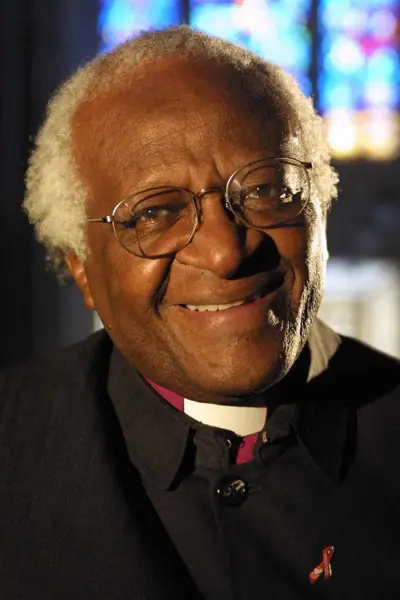
Desmond Mpilo Tutu OMSG CH GCStJ is a South African Anglican cleric and theologian, known for his work as an anti-apartheid and human rights activist. He was the Bishop of Johannesburg from 1985 to 1986 and then the Archbishop of Cape Town from 1986 to 1996, in both cases being the first black African to hold the position. Theologically, he sought to fuse ideas from black theology with African theology.
