Crazy Horse Quotes
We do not want your civilization. We would live as our fathers did, and their fathers before them.
Crazy Horse, 1849?-1877, Sioux Indian Chief, Statement on surrendering, 1877
Sourced by: Eigen's Political and Historical Quotations


In early America large numbers of whites who had been captured by Indians would refuse to leave their new families even when they had the opportunity to do so. J. Hector St. John


In the only presidential Special Message to Congress on the subject of Indians in American history:


Justification for policy of settling all Indians west of the Mississippi River.


This is one of the first Policy Statements of the new Republic about the Indians. Essentially, although the government policy was reasonable and fair, public opinion was totally different and the leadership could not persuade the people on this point. One complicating factor was the fact that most of the Indian tribes had overtly or covertly sided with the British in the Civil War. Many Indians were exiled to Canada. Even the Indians who were American allies, had their lands encroached upon however.


There were a few members of Congress who were distressed at the deception that was very often used in negotiations with Indians. They never were a sufficient majority to pass serious, meaningful legislation.


She was brutally murdered, many say executed.
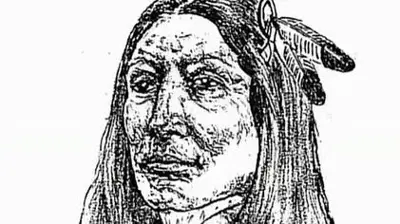
Crazy Horse (in Standard Orthography of the Lakota: Tȟašúŋke Witkó IPA: /tχaˈʃʊ̃kɛ witˈkɔ/, lit. ''His-Horse-Is-Crazy''); was a Lakota war leader of the Oglala band in the 19th century. He took up arms against the United States federal government to fight against encroachment by white American settlers on Native American territory and to preserve the traditional way of life of the Lakota people. His participation in several famous battles of the Black Hills War on the northern Great Plains, among them the Fetterman Fight in 1866 in which he acted as a decoy and the Battle of the Little Bighorn in 1876 in which he led a war party to victory, earned him great respect from both his enemies and his own people.
