John McLean Quotes
Freedom is the red man's heritage, the precious boon of his nomadic life; and retaining that, he will assume a friendly attitude toward other men if assured of their good-will and love of peace.
John McLean, 1799-1890, British North American Missionary, The Methodist Magazine, February 1891
Sourced by: Eigen's Political and Historical Quotations

This is one of the first Policy Statements of the new Republic about the Indians. Essentially, although the government policy was reasonable and fair, public opinion was totally different and the leadership could not persuade the people on this point. One complicating factor was the fact that most of the Indian tribes had overtly or covertly sided with the British in the Civil War. Many Indians were exiled to Canada. Even the Indians who were American allies, had their lands encroached upon however.

This law governed the territories outside of the original 13 colonies. The intentions of the founding fathers and the first Congress to the Indians was fair and honorable. However, there was no practical way that the new Federal Government could enforce this principle in the territories. A single greedy land speculator or trader could abuse a group of Indians and start a small war. The vast cultural differences between Indians and whites tended to polarize all violent conflicts regardless of who was at fault. The different perceptions of cruelty and atrocities further pushed the government to defend whites violating national policy and there was sufficient corruption and money to be made on Indian land and trading and things went downhill fast.


In the only presidential Special Message to Congress on the subject of Indians in American history:


Note that there was still a serious attempt to coexist with the Indians and to pay for lands that whites moved into. This would change radically in the administration of Andrew Jackson who would replace Adams.


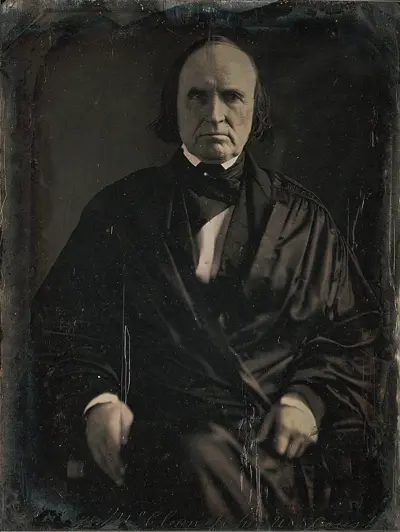
John McLean was an American jurist and politician who served in the United States Congress, as U.S. Postmaster General, and as a justice of the Ohio and U.S. Supreme Courts. He was often discussed for the Whig Party nominations for President.
