Daniel O'Connell Quotes
The principle of my political life …. is, that all ameliorations and improvements in political institutions can be obtained by persevering in a perfectly peaceable and legal course, and cannot be obtained by forcible means, or if they could be got by forcible means, such means create more evils than they cure, and leave the country worse than they found it
Daniel O'Connell, 1775-1847, Irish Nationalist & Lord Mayor of Dublin, Member of British Parliament, The Nation, November18, 1843
Sourced by: Eigen's Political and Historical Quotations

This famous quotation, from this important address, at such a critical time in history has been admired for years. Despite his great oratory, the next months were to see almost 2 million Indians of all faiths killed in what was probably the worst internecine violence in human history. Ironically, the politically motivated terrorism had stopped since all the decisions had been made. The motivation for the frightful atrocities that took place from then on was vengeance and fear of more vengeance." 1st Earl Mountbatten of Burma


Jinnah himself preached non-violence. At the time there was vicious sectarian violence throughout India but especially in The Frontier Province. However, the Muslims of the day did not heed him or Nehru or Gandhi for that matter and the violence continued. Jinnah however was a particularly shrewd politician who successfully used the threat of Muslim violence to obtain a separate Islamic state with Indian independence. He pointed to the threatening resolution issued earlier {627153}. The man who publicly preached peace, privately threatened violence.


Debs had unconstitutionally been arrested and jailed for opposing American entry into World War I. He was later pardoned by President Warren G. Harding.


at the fall of the Soviet Union


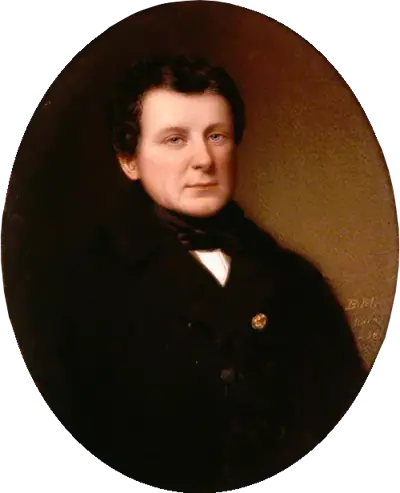
Daniel O'Connell, hailed in his time as The Liberator, was the acknowledged political leader of Ireland's Roman Catholic majority in the first half of the 19th century. His mobilisation of Catholic Ireland through to the poorest class of tenant farmer helped secure Catholic emancipation in 1829 and allowed him to take a seat in the United Kingdom Parliament to which he had twice been elected. At Westminster O'Connell championed liberal and reform causes (he was renowned internationally as an abolitionist) but failed in his declared objective for Ireland: the restoration of a separate Irish Parliament through repeal of the 1800 Acts of Union. Against the background of a growing agrarian crisis and, in his final years, of the Great Irish Famine, O'Connell contended with dissension at home. Criticism of his political compromises and system of patronage led to a split in the national movement he had singularly led.
