DANIEL O'CONNELL


The Irish generally were not very sympathetic to the abolitionist movement and many saw the Negro as a competitor for jobs. However, the Republicans in Ireland left no doubt where they stood, and they castigated their American Brethren for their pro-slavery position. This particular letter was reprinted by the New England Anti-Slavery Tract Association and was read and appreciated by most abolitionists of both races.
O’Connell also fought for Jewish equality as well as Catholic Equality.
The Catholic majority was politically dominated by the Protestant minority in Ireland and the English Parliament generally sided with and supported the Protestants. O’Connell was open to Ireland being a part of the British Empire if it was the majority Catholic Ireland that was a part of the Empire.
He was committed to Irish freedom and independence but via politics and the law. Although he was very popular and attained much politically, there have always been Irishmen who felt violence was necessary and some who resorted to terrorism.
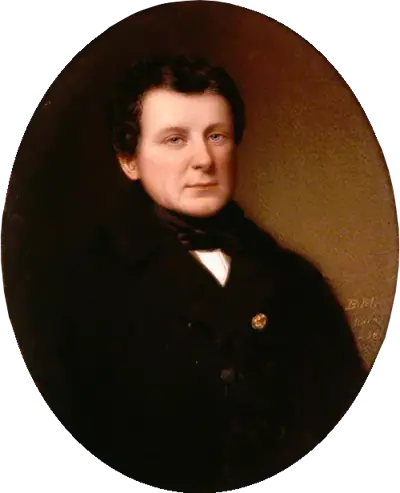
Daniel O'Connell, hailed in his time as The Liberator, was the acknowledged political leader of Ireland's Roman Catholic majority in the first half of the 19th century. His mobilisation of Catholic Ireland through to the poorest class of tenant farmer helped secure Catholic emancipation in 1829 and allowed him to take a seat in the United Kingdom Parliament to which he had twice been elected. At Westminster O'Connell championed liberal and reform causes (he was renowned internationally as an abolitionist) but failed in his declared objective for Ireland: the restoration of a separate Irish Parliament through repeal of the 1800 Acts of Union. Against the background of a growing agrarian crisis and, in his final years, of the Great Irish Famine, O'Connell contended with dissension at home. Criticism of his political compromises and system of patronage led to a split in the national movement he had singularly led.
