Ernie Pyle Quotes
But to the fighting soldier that phase of the war is behind. It was left behind after his first battle. His blood is up. He is fighting for his life, and killing now for him is as much a profession as writing is for me.
Pyle, Ernie. Here Is Your War. Henry Holt and Company, 1943, p. 109.


Nearly two years after Tripoli had declared war against the United States, the U.S., after much deliberation, decided to stop negotiating a tribute settlement with Tripoli. The U.S. launched their attack on June 11, 1803 in what would be the first amphibious operation on the Barbary Coast. After witnessing the operation, the Pasha was unmoved. Piracy and war was a way of life for the Barbary states.


There were other factors which Stalin did not mention. There was a major factor of revenge and retaliation. The Germans had killed 22 million Russians (many murdered deliberately), and forced millions of others into slave labor. They had looted everything of value, artistically or commercially from Russian, homes, churches and other buildings. Many of the Russian officers believed that treatment of the Germans was only just given the barbaric behavior of the Germans and applauded by most of the German population.

During WWII, Mauldin was at the front lines and in the fox holes with the troops getting ideas for his cartoons most of which were drawn on the battle field;


Ventura had been a Navy SEAL.

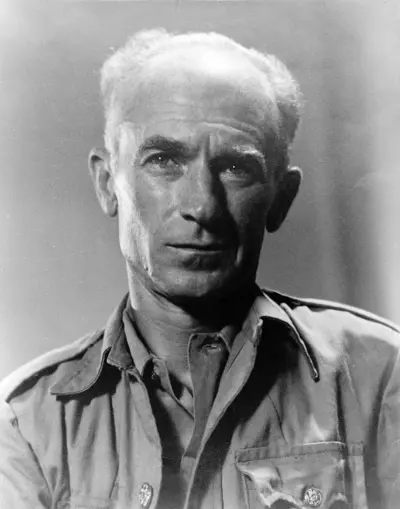
Ernest Taylor Pyle was a Pulitzer Prize—winning American journalist and war correspondent who is best known for his stories about ordinary American soldiers during World War II. Pyle is also notable for the columns he wrote as a roving human-interest reporter from 1935 through 1941 for the Scripps-Howard newspaper syndicate that earned him wide acclaim for his simple accounts of ordinary people across North America. When the United States entered World War II, he lent the same distinctive, folksy style of his human-interest stories to his wartime reports from the European theater (1942–44) and Pacific theater (1945). Pyle won the Pulitzer Prize in 1944 for his newspaper accounts of "dogface" infantry soldiers from a first-person perspective. He was killed by enemy fire on Iejima (then known as Ie Shima) during the Battle of Okinawa.
