Dick Gregory Quotes
And we love to dance, especially that new one called the Civil War Twist. The Northern part of you stands still while the Southern part tries to secede.
Gregory, Dick. From the Back of the Bus. Dutton, 1962.


It would be almost 30 years until Jackson would have been proved correct and the Civil War had begun.

Urging use of force against the South:


Committee of the Congress. This was the prevailing Congressional and public view except for the South which had coalesced around an intellectual rationalization. See {618013}.

Hunton was an old West Point classmate of Sherman’s and was also a Tennessee slave holder, who wanted his escaped slaves back under the Fugitive Slave Act. Actually, Army Commander McClellan had issued an order just a few days before, prohibiting the Army of returning fugitive slaves to their rebel owners who were guilty of treason. See {619337} Sherman however wrote his friend and made a moral and ethical argument that transcended the law and at the same time pointed out the ethical hypocrisy of the treasonous Confederates.

The Governor was a staunch Confederate supporter but his state legislature majority favored the Union. He was forced out of the governorship when the 1861 election gave the legislature a veto-proof pro Union majority.

The Southern states were illegal rebels. A confederacy had always meant a voluntary association of otherwise independent entities. However technically the Southern states were not independent but in a state of illegal rebellion against the United States. Lincoln, a lawyer, could not being himself to refer to the South by their preferred name—the Confederacy. So this was how he and many in his administration referred to the South.


The Confederates were very clear that slavery was the cause of the war. Revisionists later tried to add other motives to the Southern cause, but Grant and all the contemporaries on both sides knew slavery was the crux of the matter. So the Confederate cause was the right to brutalize, torture, and even kill an unwilling labor force that was unpaid. No war in history had ever been fought for such a lowly cause and the Confederate leadership skills were amazing in keeping up morale without a decent cause to fight for.


And so they were. However, Calhoun had already concluded which alternatives the South would take. See {635930}
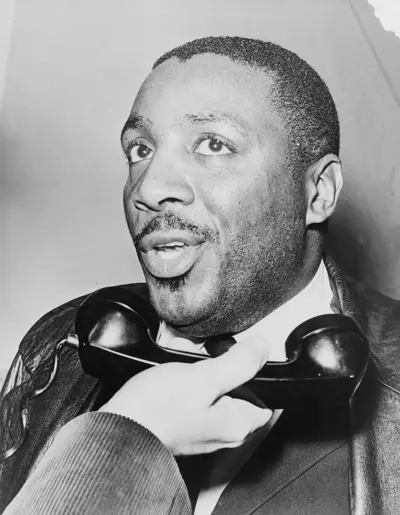
Richard Claxton Gregory was an American comedian, civil rights and vegetarian activist. His writings were best sellers. Gregory became popular among the African-American communities in the southern United States with his "no-holds-barred" sets, poking fun at the bigotry and racism in the United States. In 1961 he became a staple in the comedy clubs, appeared on television, and released comedy record albums.
