Dick Gregory Quotes
We used to root for the Indians against the cavalry, because we didn't think it was fair in the history books that when the cavalry won it was a great victory, and when the Indians won it was a massacre.
Gregory, Dick. From the Back of the Bus. Dutton, 1962.


Fiji has extensive internal strife between the native Fiji Islanders and the Indians who the British colonists brought to Fiji as laborers. The former are culturally and politically very traditional and tribal; the latter are more democratic, global and professional.


Standing Bear and some other Indians left the Indian territory where the government had assigned their tribe and with an invitation went to live on another Indian reservation designated for another tribe. The Government sent the military police to take the Indians back to the Indian Territory. The Indians claimed that they had the right to live wherever they wanted and did not have to live in the place the government had assigned them. The Indians won and since then, Indians like all other Americans were free to go wherever in the country that they wanted so long as they were not trespassing or violating other laws.


Samuel Langhorne Clemens, 1835-1910. He was describing the generation of Chinese immigrants to the West Coast who were discriminated against and treated badly by the established population.


The question has always been of adherents of this viewpoint, “How do we decide which side is the more civilized. The Nazi Germans thought they were the most civilized people in the world and killed more than 22 million people demonstrating their civilization which most others looked upon as savagery.

This quotation distressed many ultra rightists who otherwise were avid followers of Mises. See {632407} for another quotation that distressed many European conservative devotees of Mises.

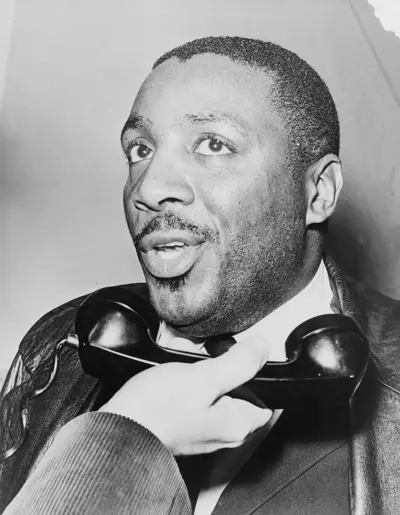
Richard Claxton Gregory was an American comedian, civil rights and vegetarian activist. His writings were best sellers. Gregory became popular among the African-American communities in the southern United States with his "no-holds-barred" sets, poking fun at the bigotry and racism in the United States. In 1961 he became a staple in the comedy clubs, appeared on television, and released comedy record albums.
