Alexis de Tocqueville Quotes
The territorial aristocracy of former ages was either bound by law, or thought itself bound by usage, to come to the relief of its serving-men and to relieve their distresses. But the manufacturing aristocracy of our age first impoverishes and debases the men who serve it and then abandons them to be supported by the charity of the public.
Tocqueville, Alexis de. Democracy in America. Translated by Henry Reeve, vol. 2, Saunders and Otley, 1840.


In 1902 there was a major coal and railroad labor crisis. The owners and operators refused to negotiate or bargain with labor: This quotation is very famous because it is an iconic picture of the views and attitudes of the large industiralists at the turn of the 20th Century. More than opposing labor unions, they actually believed that God had selected them to run the economic and business affairs of the country if not the world. It was their Christian values and paternalism that the workers should look to in order to determine the rights and priviliges of the working man or woman. This upper class attitude was one of the major reasons that class warfare broke into the open. Ironically, there was not much difference between the attidudes of the industiral leaders and the notions of fudalism.


At the time many workers lived in housing owned by their employer. When the Pullman company had a labor dispute, they not only locked the workers out of their jobs but evicted them from their meager housing.


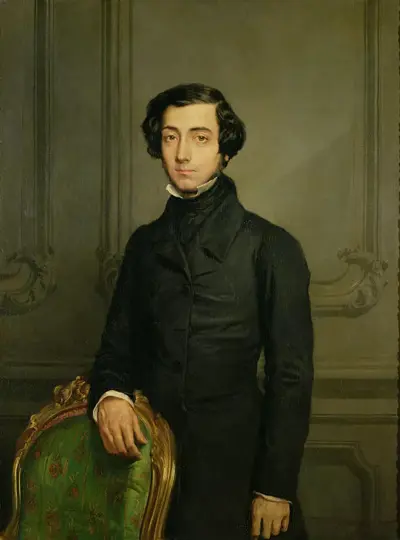
Alexis Charles Henri Clérel, comte de Tocqueville, colloquially known as Tocqueville (/ˈtɒkvɪl, ˈtoʊk-/), was a French aristocrat, diplomat, political scientist, political philosopher and historian. He is best known for his works Democracy in America (appearing in two volumes, 1835 and 1840) and The Old Regime and the Revolution (1856). In both, he analysed the improved living standards and social conditions of individuals as well as their relationship to the market and state in Western societies. Democracy in America was published after Tocqueville's travels in the United States and is today considered an early work of sociology and political science.
