GEORGE F. BAER
(George Frederick Baer)
In 1902 there was a major coal and railroad labor crisis. The owners and operators refused to negotiate or bargain with labor: This quotation is very famous because it is an iconic picture of the views and attitudes of the large industiralists at the turn of the 20th Century. More than opposing labor unions, they actually believed that God had selected them to run the economic and business affairs of the country if not the world. It was their Christian values and paternalism that the workers should look to in order to determine the rights and priviliges of the working man or woman. This upper class attitude was one of the major reasons that class warfare broke into the open. Ironically, there was not much difference between the attidudes of the industiral leaders and the notions of fudalism.
Bear was the classic icon of the wealthy, insensitive, powerful, prejudiced snob. He even made other capitalists somewhat sympathetic to the complaints about corporations. See {593878} and {593879}.
What is interesting about this quotation is that there was great argument at the time that business—in this case coal mining—had an obligation to provide safe working conditions for the miners, require reasonable work hours, and pay a fair wage. Baer and most other industrialists of the time were of the opinion that the only obligation that it owed was to its shareholders. Business had not moral or ethical obligations to workers. Theodore Roosevelt and the reformers of the day challenged that notion, and it seemed to have been resolved in the New Deal of FDR. However, in the last quarter of the 20th century, there was a conservative economic and political movement that went back to this position of Baer’s. While many corporations adapted that view in the 21st century, many did not, and some like Starbucks and Google urged an even greater ethical obligation to workers than ever.
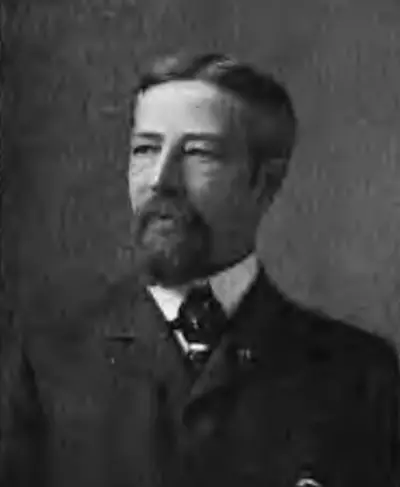
George Frederick Baer was an American lawyer who was the President of the Philadelphia and Reading Railroad and spokesman for the owners during the Anthracite Coal Strike of 1902.
