Ta-Nehisi Coates Quotes
The relationship between violence and nonviolence in this country is interesting. The fact of the matter is, you know, people do respond to riots. The 1968 Housing Act was in large response to riots that broke out after Dr. Martin Luther King was killed. They cited these as an actual inspiration.
Coates, Ta-Nehisi. Interview by Terry Gross. Fresh Air, NPR, 9 July 2015.


Kennedy was initially very opposed to a civil rights march on Washington and seemed very annoyed to the Blacks in attended. But when faced with the reality of the fact that the March was going to take place and he could not prevent it, he turned around and did everything he could do to protect the marchers and enable the historic event.


This quote is often cited to imply that Luther endorsed rioting which is not the case. See the related quotes from the same speech for the larger context of the quote which makes clear Luther’s true views of the unproductiveness and destructiveness of rioting.


What America just could not believe that American Negroes were not satisfied with their second class status. So any organized Negro unrest must be caused by un-American and foreign influences or those of radicals like Socialists. The Socialists were among the first organized political groups to condemn the racism and discrimination of the day. Later, even at the crux of the civil rights movement in the 1960s, most Southerners maintained that all the dissatisfaction and unrest of Negroes was the result of “agitators,” “foreigners,” “socialists,” and “communists.”


King and his associates along with a large number of students were arrested for protesting racial discrimination in Selma. The Chief of police was told that this is just what King wanted. His was a deliberate attempt to get publicity by arresting and prosecuting a group of ministers and school children. So Chief Baker told King that they were not under arrest. So King went outside the jail where many journalists had congregated, hastily called a press conference, and publicly admitted to deliberately drawing attention to the conditions.

Instead of standing and saluting as professional athletes have done for decades before games, he kneeled and refused to stand. This caused great public criticism but also some initial support. He was potentially risking his multimillion dollar salary as this technically violated his contract to avoid anything embarrassing to the team. He also donated $1 million to programs in the area that were working to enhance Black/white understanding. Even those who disagreed with his choice of protest defended his right to do so, and after the initial furor, public opinion, while not in agreement about his method, tended to support him for having the courage of his convictions and using his celebrity for a worthy cause. After sensing the public opinion, his team matches his $1 donation. Professional athletes both in the NFL and in other sports then began to do the same as a form of protest for the large, disproportionate, number of black men who were killed, mostly when unarmed, by police. The reference to the “paid leave” was the practice followed by most police departments—usually required by collective bargaining agreements with police unions—of placing police officers accused of committing violations of laws or regulations on paid administrative leave while all the investigations, hearings, and other processes . While this practice protected the rights of those police officers who were not guilty, it ended up paying brutal murders for a some time entire their case was decided or acted upon be the district attorney.


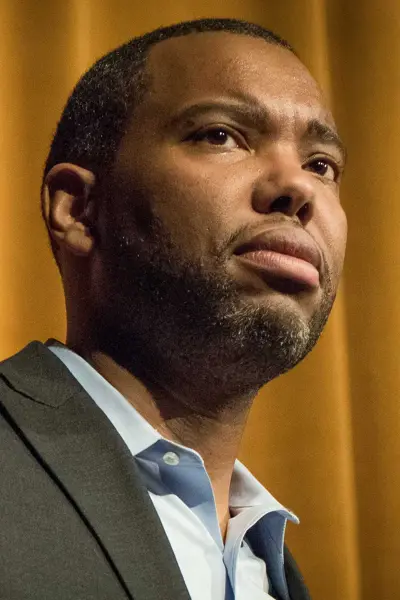
Ta-Nehisi Paul Coates is an American author and journalist. Coates gained a wide readership during his time as national correspondent at The Atlantic, where he wrote about cultural, social, and political issues, particularly regarding African Americans and white supremacy. Coates has worked for The Village Voice, Washington City Paper, and TIME. He has contributed to The New York Times Magazine, The Washington Post, The Washington Monthly, O, and other publications.
