Joe Klein Quotes
If there was one fact that sent me hurtling off to write 'Politics Lost,' it was when I learned that John Kerry had focus-grouped Abu Ghraib. We knew about the Justice Department memo in June of 2004, and Kerry didn't raise that in any one of his three debates with George Bush.
Klein, Joe. Interview by Brian Lamb. Q&A, C-SPAN, 14 May 2006.


Bush’s administration was notorious for appointing wealthy young people who were ideologically consonant with Bush and not very experienced or competent themselves. Most of them were not very intellectual or well-read or well trained and had few of any accomplishments. From FEMA to the occupation of Iraq, there were massive failures of management and administrative competence and this hurt the reputation of the administration as much as Bush’s poor policy decision. See {624062} for an example.


See {618460} for the kinds of statements that stimulated this type of political attack.

Hanna, managing William McKinley’s Presidential Campaign against William Jennings Bryan, outspent is opponents by a factor of ten to one. Few understood that at the time or the profound effect that money could play in national politics. Hanna was a political strategist far ahead of his time.

He was explaining his reasons for resigning in 2005 from the number two position in the Justice Department. The George W. Bush administration had implemented a program of secret wiretapping and surveillance of American citizens in America which required the authorization of the Justice Department which had determined that the program as it was being implemented violated the law. The Attorney General was ill in the hospital but had told Comey that he would not sign the authorization. The White House then pressured Comey to sign and he refused, and in a similar replay of the Watergate “Saturday Night Massacre”, the number three man at Justice would have been ordered to sign. His resignation convinced President Bush to alter the program to take account of the Justice Department objections.


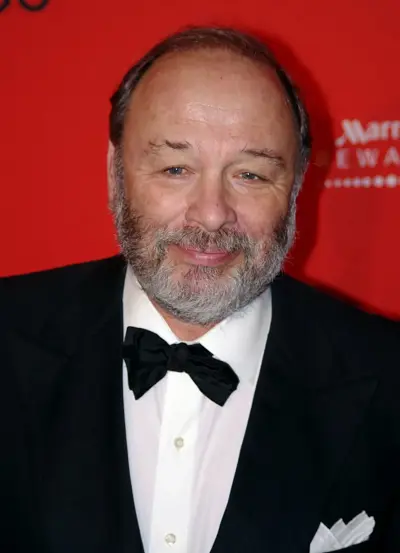
Joe Klein is an American political commentator and author. He is best known for his work as a columnist for Time magazine and his novel Primary Colors, an anonymously written roman à clef portraying Bill Clinton's 1992 presidential campaign. Klein is currently a member of the Council on Foreign Relations and is a former Guggenheim Fellow. In April 2006 he published Politics Lost, a book on what he calls the "pollster–consultant industrial complex." He has also written articles and book reviews for The New Republic, The New York Times, The Washington Post, Life, and Rolling Stone.
