Lenny Bruce Quotes
I tried the religion scam in Miami, so I know how hard that gig is. But, if you can get it to work, starting your own religion is a license to print money.


At the time of this article there was noting illegal in most states about some third party with no connection with a candidate or a campaign whatsoever, to describe a candidate and his/her opposition and just like a campaign in a direct-mail solicitation, ask for funds to help the candidate win. They just pocked the money and never help the candidate. In the most egregious cases the same outfit send solicitations to Democrats and Republicans for the SAME contest with different appeals so they can deceptively collect money from supports of both candidates and help neither—only enrich themselves. Scare tactics, like saying an opponent wants to reduce Social Security benefits or increase Medicare charges, are particularly difficult to identify as so much right wing direct mail uses scare tactics the raise funds for campaigns. The left does also, but not as frequently adn they are not as good at it.


What was particularly unusual about this quote was that Cronkite had always been so circumspect about his own political views and opinions and rarely expressed personal criticism of any group or movement. When he was the national anchor for CBS News, he was so non partisan that he became the “most trusted man in America.” By 2007 however, most of the radical religious right had organized a serious movement which unlike other self interest groups which wanted to expand their rights or benefits, much of the radical religious right strove to curtail the rights of other Americans who differed from them as to religious interpretation, concepts and role of government, sound family structure and relationships, gender equality, sex, and personal freedom.
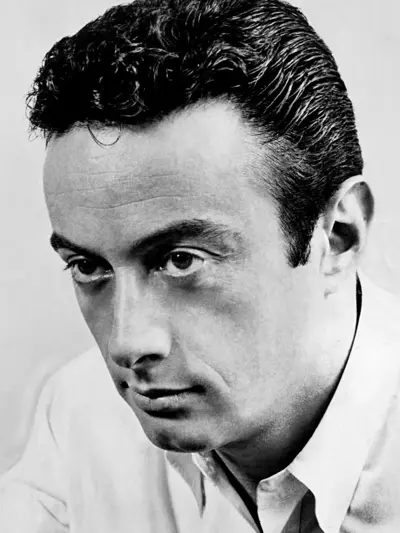
Leonard Alfred Schneider, better known by his stage name Lenny Bruce, was an American stand-up comedian, social critic, and satirist. He was renowned for his open, freestyle and critical form of comedy which contained satire, politics, religion, sex, and vulgarity. His 1964 conviction in an obscenity trial was followed by a posthumous pardon, the first in the history of New York State, by Governor George Pataki in 2003.
