Edmund Ruffin Quotes
I protest against the fitness and truth of the usually received definitions and applications of "slave labor" and "free labor"--and, in contradiction thereto, maintain that, in proportion to the respective populations, there are many more slaves in England, and in very much more suffering and painful conditions, than in all the negro slaveholding States of this Confederation.
Ruffin is more widely known as the man who fired the first shot of the Civil War.
Edmund Ruffin, 1794-1865, Virginia State Senator, Slavery And Free Labor, Described And Compared, ~1862
Sourced by: Eigen's Political and Historical Quotations


This quotation is interesting for two reasons. First it is a good example of the twisted logic of some of the Slavery apologists who claimed that the Negro slave was better off than the free wage earner. The second reason is that it illustrates the norms of the treatment of the working man before the Civil War. The union movement would change the situation for the free laborer over the next century and then holidays and worker rights became normalized in American society. See {641290} for another of his absurd arguments.


Brown was the richest man in Rhode Island and made much of his money in the slave trade. This quotation shows that slavery was not completely a North verses South split. Northerners like Brown for whose family Brown University was named, was as virulent supporter of slavery as the most ardent Southerner.


The white skilled laborers of the North were not the only ones who found slavery deleterious to their economic well being. The complaints to the Carolina legislature produced a finding as early as 1744 that whites were adversely affected.


This is one of the major reasons that Slavery was so hard to end in the South. At the time, the dollar value of the Southern slaves was greater than the value of all the land, factories, inventory, and capital equipment of the South. Slaves were not only capital, they were the largest component of Southern capital and Southern wealth. There were numerous ideas of paying slave owners for the freedom of their slaves, and if this was done, it would have been far less expensive in money alone than the Civil War cost. However, the Southern leadership, like Fitzhugh, were totally intransient with culture and customs—indeed the Southern concept of manhood—was dependent in Slavery. The result was that no compensation was paid to slave owners and the South was impoverished as a result of its capital loss and it would not recover for 150 years.


The language was removed in the negotiations that followed Jefferson's draft.
Modern slavery involved forced prostitution, child labor and various forms of indentured servitude together with importing illegal workers and threatening to have them deported if they complain or go public about their slave labor conditions.
The Southeastern states were in a triple bind regarding slavery. The slave trade was ended so new slaves could not be imported. The existing slaves commanded much higher prices in the West and were sold to those destinations. Meanwhile, the European abject poverty provided a ready source of immigrants who would work for wages that were not much more than the cost of keeping and amortizing a slave. At the beginning of the Civil War, the death knell of Southeastern slavery had already been ringing.


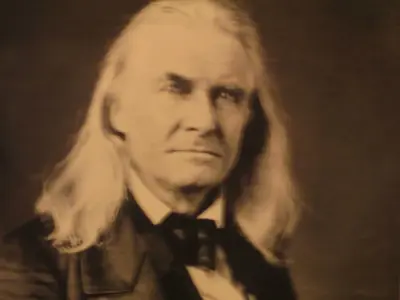
Edmund Ruffin, III was a wealthy Virginia planter and slaveholder who served in the Virginia Senate from 1823 to 1827. In the last three decades before the American Civil War, his pro-slavery writings received more attention than his agricultural work. Ruffin staunchly advocated states' rights and slavery, arguing for secession years before the Civil War, and became a political activist with the so-called Fire-Eaters. Ruffin is given credit for "firing the first shot of the war" at the Battle of Fort Sumter in April 1861 and fought as a Confederate soldier despite his advanced age. When the war ended in Southern defeat in 1865, he committed suicide rather than submit to "Yankee rule."
