James Monroe Quotes
From several of the Indian tribes inhabiting the country bordering on Lake Erie purchases have been made of lands on conditions very favorable to the United States, and, as it is presumed, not less so to the tribes themselves.
Monroe, James. "First Annual Message." A Compilation of the Messages and Papers of the Presidents, compiled by James D. Richardson, vol. 2, Bureau of National Literature, 1897, p. 16.


The central Indian policy problem for Jefferson’s Administration was the fact that most Indians hunted for subsistence and the amount of land needed to support a hunting society was per capita much greater than an agricultural and especially an industrial one. Jefferson had no personal animosity against the Indians as many in his day did. But he perceived the need to obtain Indian lands for white agricultural use.
This was the beginning of the Jeffersonian effort culminating in the Corps of Discovery and the Lewis & Clark Expedition. Presidential, confidential memoranda to the Congress were more common then than now when they have become a rarity.


Note that there was still a serious attempt to coexist with the Indians and to pay for lands that whites moved into. This would change radically in the administration of Andrew Jackson who would replace Adams.


The Iroquois were generally recognized, even by the other tribes and nations, and the most advanced and most powerful of the Native Americans. Their example was critical in shaping the policies and behavior of all the Indians. At the time “Western” Indians referred to those in Pennsylvania, Ohio, Kentucky, Illinois and those West of the Eastern seaboard. West Coast and Plains Indians were not known generally known to the colonists and those nations had no knowledge of the Iroquois. Johnson himself married an Iroquois woman.


This is an important quotations for two reasons. First, one of the white Europan myths in the colonial era was that the Native America had not concept of land ownership and title. This quotation clearly refutes that/ Second, this shows that some Europeans coming to the new world opposed the view that the white Christians and a moral right to the Native American “heathen” land. A few like Williams did not.


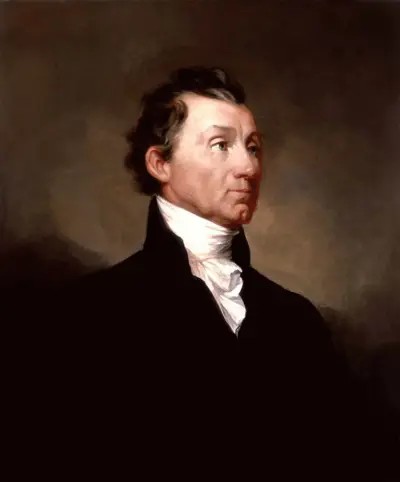
James Monroe was an American statesman, lawyer, diplomat and Founding Father who served as the fifth president of the United States from 1817 to 1825. A member of the Democratic-Republican Party, Monroe was the last president of the Virginia dynasty; his presidency coincided with the Era of Good Feelings. He is perhaps best known for issuing the Monroe Doctrine, a policy of opposing European colonialism in the Americas. He also served as the governor of Virginia, a member of the United States Senate, the U.S. ambassador to France and Britain, the seventh Secretary of State, and the eighth Secretary of War.
