ROSCOE CONKLING


After James Garfield became the Republican nominee for President, the defeated Conkling, refusing to run for Vice President, was asked whom he personally favored to run as vice-president with Garfield. Conkling replied:. President Garfield was assassinated six months later, and Arthur became the 21st President, to Conkling's dismay and chagrin. Compare Lyndon Johnson's "Power is where power goes."
Referring to President Andrew Johnson:
Some had organized and led lynchings; others participated, and others stood by without speaking out.
When the slaves were emancipated, they were free but they were no yet citizens with civil and political rights either. They had no land or other property and racial discrimination in the ex-slave states was vicious and rampant.
Abraham Lincoln was the only third party candidate to win the presidency in U.S. history. However, when he was nominated, there was little conviction among Republicans that a third or fourth party could actually win:. Lincoln's primary opponent, William H. Seward
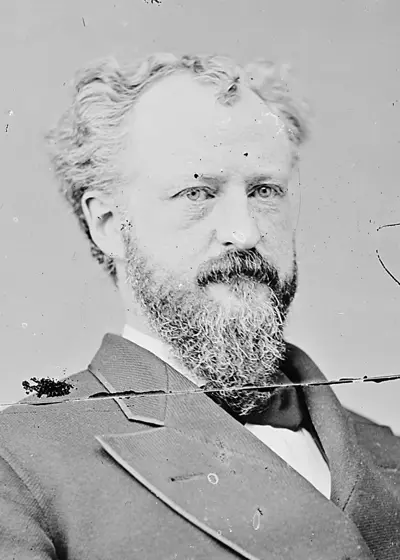
Roscoe Conkling was a lawyer and politician from New York who served both as a member of the United States House of Representatives and the United States Senate. He was the leader of the Stalwart faction of the Republican Party, the first Republican senator from New York to be elected for three terms, and the last person to turn down a U.S. Supreme Court appointment after he had already been confirmed to the post. While in the House, Conkling served as bodyguard for Representative Thaddeus Stevens, a sharp-tongued anti-slavery representative, and fully supported the Republican war effort. Conkling, who was temperate and detested tobacco, was known for his physical condition, maintained through regular exercise and boxing, an unusual devotion for his time. Conkling was elected to the Senate in 1867 as a leading Radical, who supported the rights of African Americans during Reconstruction.
