Rose Schneiderman Quotes
You have nothing that the humblest worker has not a right to have also.
Schneiderman, Rose. Speech in Cleveland, Ohio, 1912. Quoted in Eisenstein, Sarah. Give Us Bread but Give Us Roses: Working Women's Consciousness in the United States, 1890 to the First World War. Routledge, 1983, p. 32.


As hard as it is for us to imagine today, while her husband was President of the United States, the First Lady wrote a nationally syndicated newspaper column every single day with politics frequently the subject. While she usually agreed with the President, there were occasions where they seemed to not see things exactly the same. She tended to be more liberal than he. However, there were those who believed that when she criticized politicians, it was with FDR’s knowledge and blessing and she sometimes did his “dirty work.” Eleanor Roosevelt was one of the most influential people in the country—certainly more-so than any First Lady before and since.


This remarkable statement was written in about 1840 and there was probably then few people of either gender who would think such a thing possible.


This quotation many think is the greatest statement of political equality ever written. Interestingly is also lays an obligation on all people for all others. It was written by a privileged nobleman, a Baron, who was instrumental philosophically and politically in establishing the Batavia Republic in Holland.

This wording was used a few years later by the French in their Revolution,
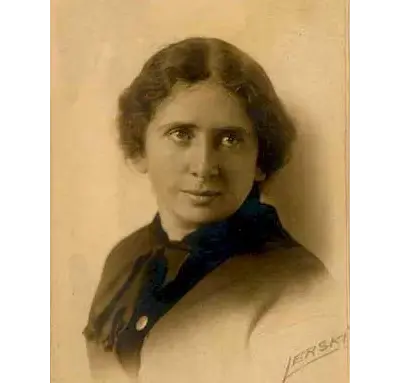
Rose Schneiderman was a Polish-born American socialist and feminist, and one of the most prominent female labor union leaders. As a member of the New York Women's Trade Union League, she drew attention to unsafe workplace conditions, following the Triangle Shirtwaist Factory fire of 1911, and as a suffragist she helped to pass the New York state referendum of 1917 that gave women the right to vote. Schneiderman was also a founding member of the American Civil Liberties Union and served on the National Recovery Administration's Labor Advisory Board under President Franklin D. Roosevelt. She is credited with coining the phrase "Bread and Roses," to indicate a worker's right to something higher than subsistence living.
