William Frenzel Quotes
You cannot make elected officials … do what they will not do.
William Frenzel, U. S. Congressman (Republican, MN), Speech, The Woodrow Wilson Institute, Washington DC, February 11, 2000
Sourced by: Eigen's Political and Historical Quotations


The state senator had voted to override his own party governor's veto of a popular solid waste disposal project. The governor retaliated by withdrawing nominations for appointments in the senator's district.

Many members of his own party opposed some of the President's policies and programs, and party loyalty and discipline were strained:


He and his Prime Minister, John Majors, had become so unpopular, that they were forced to resign by their own Conservative Party and never had to be voted out of office.


In the previous 8 years, the United States Congress had been gridlocked more and for a longer period of time than any other period of history. Very little legislation, of any kind, was passed. Not only was there excessive conflict adn Gridlock between the Democrats and Republicans, but the Republicans in Congress were dramatically fractured and the two factions of the same party gridlocked the Party that controlled the House of Representatives for the entire period and the Senate for most of it. So the majority Caucus could not even propose much legislation other than symbolic legislation that had no chance of passage.


Barbour was himself a lobbyist before he became a politician.

What makes this quotation meaningful is the fact that Roosevelt and other Presidents before had not as a rule contacted or lobbied, much less pressured individual members of Congress about specific legislation. While today this is so common that many members of Congress would feel insulted if they did not get a personal appeal from the President to vote for a bill. This was another “first” for TR. The historical bill in question was the National Reclamation Bill.


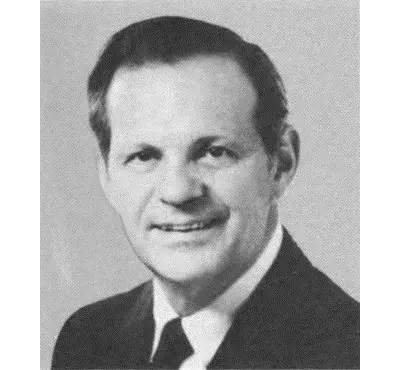
William Eldridge Frenzel was a Republican member of the United States House of Representatives from Minnesota, representing Minnesota's Third District, which included the southern and western suburbs of Minneapolis.
