Richard Corliss Quotes
World War II was a historical event, but also a movie genre, and 'Fury' occasionally prints the legend. The rest of it is plenty grim and grisly. Audience members may feel like prisoners of war forced to watch a training-torture film.
Corliss, Richard. Review of Fury. Time, Time Inc., 2014.

Neilson had flown in the Doolittle Raid on Tokyo. It was the first bombing of Tokyo in WWII. He was shot down and captured. He was tortured including the torture of ‘waterboarding.’ The Japanese who administered the torture and who allowed it were tried before the International Military Tribunal for the Far East—the Tokyo War Crime Trials. They were convicted and punished. In the first decade of the 21st century the George W, Bush Administration argued that waterboarding was not necessarily torture despite the fact that Americans had tried and punished foreigners who engaged in the practice and even Americans who did. It was completely outlawed by military regulations but some Americans felt that it should be allowed by the CIA in dealing with terrorists.


The Scientific Project that developed the Atomic Bomb. The focus of the scientists had been to beat the German’s who were terribly evil might develop a bomb first. After the defeat of some scientists began to have concerns about their purpose. Most were very distrustful of the army and believed little of what they were told, by the military at Los Alamos. However, in a remarkable our de force of leadership, Oppenheimer had the trust of virtually all of the staff. This memo and a briefing of the invasion plans of mainland Japan (see {629858} ) convinced the scientist to maintain their intense and punishing pace.

Jacobo Arbenz, 1915-1971, was the President of Guatemala who the Central Intelligence Agency ousted by organizing a coup and providing a CIA airplane to terrify and intimidate Arbenz’s loyal soldiers. Guatemala had never been bombed before and the low flying planes had the desired effect. This quotation is important because it shows that the United States engaged in some terrorism and some officials actually used the term “terror” in describing one of our activities.


This has been true in just about every conflict. In WWII however, there were a highly disproportionate ration of atrocities with those of the axis forces dwarfing those of the U. S. and its allies. Further, after the war, those allied atrocities that did take place were published. In addition, one basic difference is in the policies of the fighting forces and their governments as opposed to individual actions by soldiers. In WWII, the allied atrocities were of the latter type, but the axis atrocities involved both.


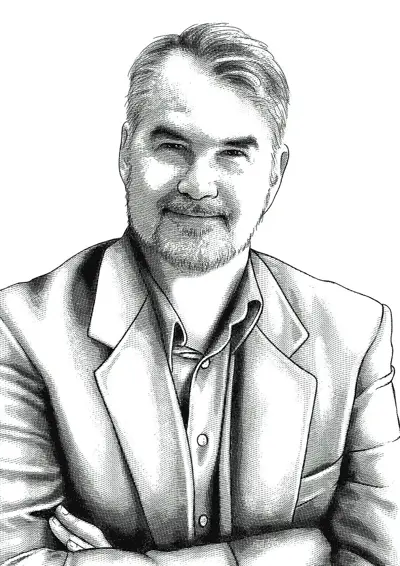
Richard Nelson Corliss was an American film critic and magazine editor for Time. He focused on movies, with occasional articles on other subjects.
