Roger Williams Quotes
Whatever tumults and strifes await God's witnesses, it remains clear that the doctrine of persecution for the sake of conscience is most evidently and lamentably contrary to the doctrine of Christ Jesus, the Prince of Peace.
Williams, Roger. The Bloudy Tenent of Persecution, for Cause of Conscience. London, 1644.


The implication of a double moral standard for adherents of the faith and for others has been characteristics of many religions.


Toleration is a relative term. The Muslim Moors made Christians (and Jews) pay a special tax. At times they were forced to wear special clothing so that they could be readily identified. And they could not build churches larger or taller than the smallest mosque in the community. At times, their occupations were restricted but at other times Christians and Jews were appointed to the highest positions like Vizier. The Inquisition, in contrast, forced all Muslims (and Jews) to leave the country without any of their property or money or be tortured and killed—usually by burning at the stake unless of course that they converted to Christianity.


John Witherspoon, a Presbyterian minister with evangelical sympathies, was one of the signers of the Declaration of Independence.


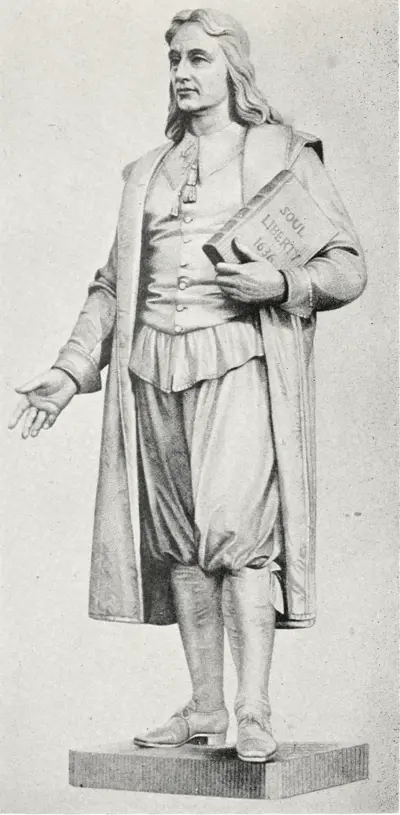
Roger Williams was a Puritan minister, theologian, and author who founded Providence Plantations, which became the Colony of Rhode Island and later the U.S. state of Rhode Island. He was a staunch advocate for religious freedom, separation of church and state, and fair dealings with Native Americans.
