Eleanor Roosevelt Quotes
What we apparently have failed to grasp is that, in this new world in which we live, the collective hunger of great masses of people, wherever they may be, will affect our long-range welfare, just as though they were our own people.
Roosevelt, Eleanor. Tomorrow Is Now. Harper & Row, 1963, p. 11.

America was the only democracy in the world. If it failed, democracy would not develop in the rest of the world. Today, most nations are democracies and in part based on the United States democracy. Lafayette realized that.


Prior to WWII mist Republicans and some Democrats were isolationists who wanted no American involvement in foreign affairs and were opposed to military spending and preparedness. The Second World War changed that and the President announced the change.
At the time America was a very minor player in the world economy and had no external military presence at all. The reason that Lafayette and others saw much of the world’s welfare dependent upon the welfare of America and the success of the American Revolution was because of the concept of a democracy and a republic as opposed to a monarchy and autocracy which was how the rest of the world was governed. If the American experiment succeeded, freedom and democracy would spread as a result of the example. If America failed, reform the world over suffered. And Lafayette was right. America survived and its influence changed virtually all of Europe and much of the rest of the world as well.


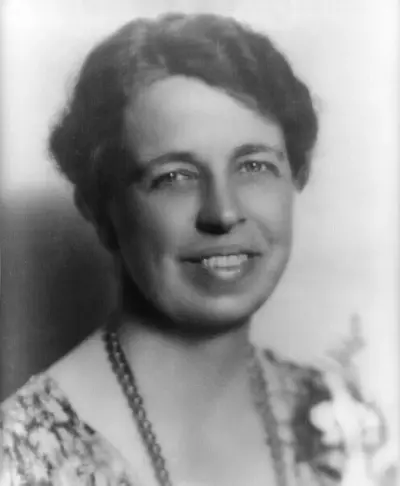
Anna Eleanor Roosevelt was an American political figure, diplomat and activist. She served as the First Lady of the United States from March 4, 1933, to April 12, 1945, during her husband President Franklin D. Roosevelt's four terms in office, making her the longest-serving First Lady of the United States. Roosevelt served as United States Delegate to the United Nations General Assembly from 1945 to 1952. President Harry S. Truman later called her the "First Lady of the World" in tribute to her human rights achievements.
