Eric Hobsbawm Quotes
… utopianism is probably a necessary social device for generating the superhuman efforts without which no major revolution is achieved.
Eric Hobsbawm, 1917-2012, British Historian, Primitive rebels: studies in archaic forms of social movement in the 19th and 20th centuries
Sourced by: Eigen's Political and Historical Quotations


Lev Davidovich Bronstein. Perhaps it has been just this difference of understanding about revolution, that allowed England and the United States to grow and reform from their revolutions while the Russians, French and many other peoples have destroyed their societies and welfare of their people in the immediate aftermath of their revolutions.

In 1905, she and her husband—young, intellectual middle class, revolutionists from Moscow—escaped from the Czar’s secret police and emigrated to America where until 1917, she feared assassination by Czarist agents in America. After the Civil Rights Act and the Voting Rights Act were passed, she felt that all her utopian, communist dreams had been fulfilled--in America. But Russia, in many ways, were as bad then as in the days of the Czars. See {634475} and {634476} for her views on communism. Many of the American “leftist communists” were great admirers and lovers of America except for the legal and governmental support of segregation. When that went, America was their ideal.


This book became the basic English textbook on socialism. Astoundingly, it sold over 2 million copies at a time when few books other than the Bible ever sold in that quantity. The fact that it was so popular alarmed many of the more conservative politicians of the day.

In the late 1830's a revolutionary political movement of small tenant farmers grew in upper New York State. There was much violence and anti-renters were hanged and jailed. After a few years they elected 14 members of the state legislature and had their fellows pardoned:


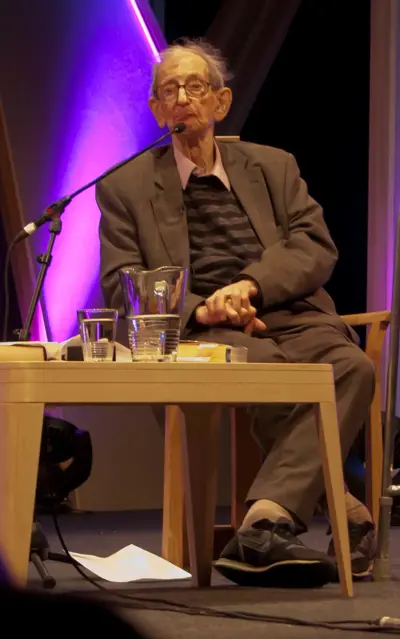
Eric John Ernest Hobsbawm CH FRSL FBA was a British historian of the rise of industrial capitalism, socialism and nationalism. A life-long Marxist, his socio-political convictions influenced the character of his work. His best-known works include his trilogy about what he called the "long 19th century" (The Age of Revolution: Europe 1789–1848, The Age of Capital: 1848–1875 and The Age of Empire: 1875–1914), The Age of Extremes on the short 20th century, and an edited volume that introduced the influential idea of "invented traditions".
