A. J. Liebling Quotes
The science of booby-trapping has taken a good deal of the fun out of following hot on the enemy's heels.
Liebling, A. J. The Road Back to Paris. Doubleday, Doran and Co., 1944, p. 219.


During his revolutionary battles in Kaingsi, Mao reduced his theory of guerrilla tactics to a poem:


Ruling group of France during the French Revolution. The purchase and transportation of an army in the field was a very expensive element of war and was very difficult as well. The Directory urged its generals to live off the land and get their food from the enemy country they were invading. Rarely did they pay for it but typically just took it from the civilians. Napoleon who served under the directory took this principle one step further. He also stole the invaded country’s art—paintings and statues mostly. These he sent back to Paris where they were sold to rich people. This way he could pay the salaries of the troops and buy more weapons and ammunition. Napoleon could conquer so much territory because France did not have to pay for the military effort as other countries did. This is one of the major reasons for example that the Louvre Museum in Paris has so many great Italian and Spanish paintings.


These tactics were revolutionary in China and the rest of the world. They were unexpected and were very effective. The non communists however were corrupt, exploitative, and divided. The communist revolution in China might well have not succeeded had the capitalist forces not been so corrupt and badly led.

He was arguing for a preemptive attack rather than wait to be attacked.
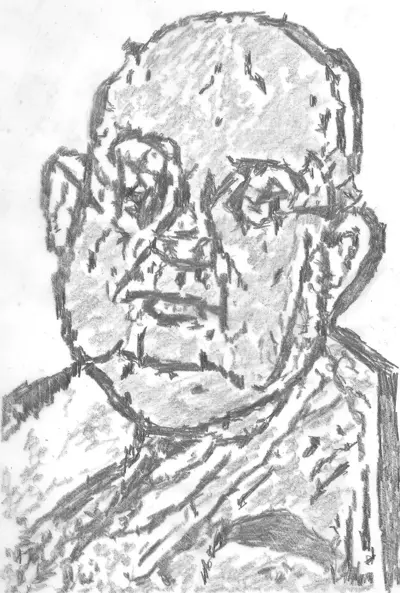
Abbott Joseph "A. J." Liebling was an American journalist who was closely associated with The New Yorker from 1935 until his death.
