Lawrence Pearsall Jacks Quotes
The pursuit of self-interest, no matter how artfully it be managed, inevitably leads to war in the long run, and all the more inevitably when the management is artful than when it is crude.
L. P. Jacks
Lawrence Pearsall Jacks, 1860–1955, English Philosopher & Unitarian Minister, “An International Ethic”, Foreign Affairs, December 1924
Sourced by: Eigen's Political and Historical Quotations


with Russia over the independence of Berlin and West Germany

Although Great Britain had abolished slavery, British economic interests during the Civil War suffered because of the northern blockade of the South. Much political opinion in England was hostile to the blockade policies of the Union. Bright, a great admirer and supporter of the United Sates and the Union cause was concerned that the United States might drift into War with Great Britain. His letter to Senator Sumner was written with the understanding that it would be in shared with President Lincoln, and it was actually read at a cabinet meeting.


King George did not want to give up the American Colonies and claimed the loss at Yorktown was just a loss of a single battle. The English soldiers had controlled New York, Charlestown and other places and American Tories wanted to fighting to continue. The French were having major problems elsewhere and the states were all broke from the war effort. Hamilton urged Clinton to offer all the New York offers and soldiers half pay tp be available to fight against the other ex-colonies represented in the Continental Congress.


He himself became a victim of the Civil War when Oliver Cromwell ordered him beheaded in 1658


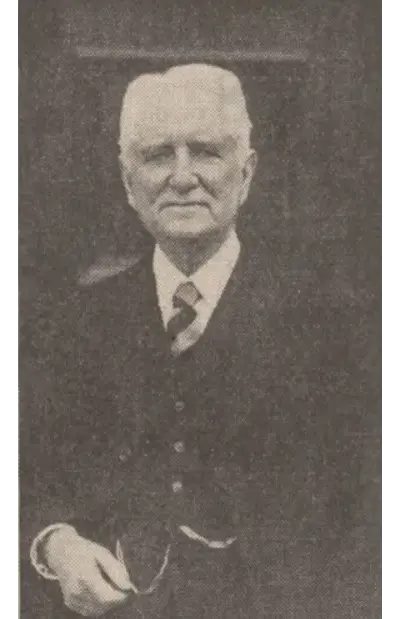
Lawrence Pearsall Jacks, abbreviated L. P. Jacks, was an English educator, philosopher, and Unitarian minister who rose to prominence in the period from World War I to World War II.
