Cleveland Amory Quotes
The National Park Service shot a mule in the face. He survived but had trouble swallowing and often food came out of his nose.
Amory, Cleveland. Man Kind? Our Incredible War on Wildlife. Harper & Row, 1974.


There are a few conflicts between the legislation to protect the border by using vehicles and building facilities and protecting the endangered species that might be in the area. These were worked out by allowing the Border Patrol, if they thought there was a serious boarder problem, to make the decision of how to proceed but in the general cases to balance off the costs and benefits to border guarding and the endangered species and wilderness. Chaffetz was a rabid anti environment advocate who opposes almost all accommodations for endangered speices. Such extreme statements as these, produces an opposite extreme reaction on the part of some environmentalists who will make no compromise even if benign, as they believe that CHaffetz and the few others who think like he, will then gut the entire legislation as they are not acting in good faith. The result is a polarization in which the extreme’s fight it out and the reasonable middle ground is ignored.

Morgan was always loyal to his war commander, George Washington, and resented the Jeffersonians bitterly because they criticized Washington’s policies Presidential policies.


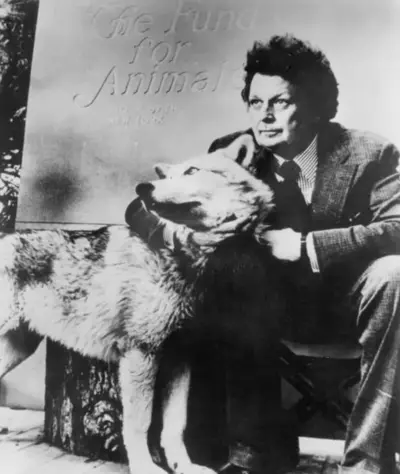
Cleveland Amory was an American author, reporter, television critic, commentator and animal rights activist. He originally was known for writing a series of popular books poking fun at the pretensions and customs of society, starting with The Proper Bostonians in 1947. From the 1950s through the 1990s, he had a long career as a reporter and writer for national magazines, and as a television and radio commentator. In the late 1980s and 1990s, he was best known for his bestselling books about his adopted cat, Polar Bear, starting with The Cat Who Came for Christmas (1987). Amory devoted much of his life to promoting animal rights, particularly protection of animals from hunting and vivisection; the executive director of the Humane Society of the United States described Amory as "the founding father of the modern animal protection movement."
