Edward Gibbon Quotes
The most distinguished merit of those two officers was their respective prowess, of the one in the combats of Bacchus, of the other in those of Venus.
Gibbon, Edward. The History of the Decline and Fall of the Roman Empire. Vol. 2, W. Strahan and T. Cadell, 1781, p. 450.


After the Civil War and Reconstruction, the American nation was still bitterly divided intelelctually, socially, emotionally and poliotically. In an effort to bring more unity to America, most of the power stucture and the influentials of the nation began to avoid those issues that would divide North and South and try and promote a narrative that both sides might be able to live with. And this is what Zeitz describes in this quotation. America went through a period of Revisionist History that even in the 21st century was held by many people. It wasn't until the middle of the 20th century that the real history and narrative of the Civil War and Reconstrution emerged from the few academics who had all along criticized the fabricated narritive that did unify the country at the cost of historical accuracy and truth. Many scholars point out that the price that America paid for this unity was the Jim Crow era and a century of legalized racism. Much of the nation was built on the labor of Negro slaves and the victims of the slavery era, also bore the brunt of American unity and reconcilliation.


From a phone interview conducted by the article author.


Netanyahu’s response when asked by a reporter what he thinks of President Donald Trump’s proposal for the US to take over and rebuild the Gaza Strip. Controversially, the proposal also includes removing Palestinians to neighboring Arab countries.
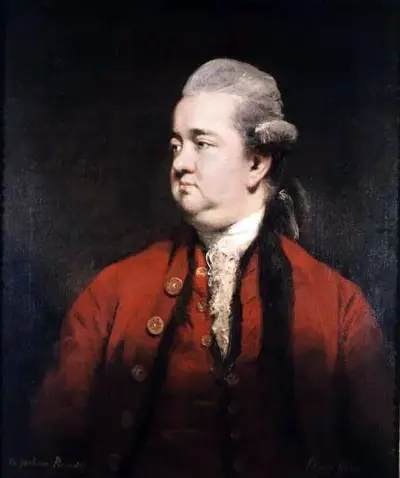
Edward Gibbon FRS was an English historian, writer and Member of Parliament. His most important work, The History of the Decline and Fall of the Roman Empire, was published in six volumes between 1776 and 1788 and is known for the quality and irony of its prose, its use of primary sources, and its polemical criticism of organised religion.
