Martin Luther King Jr. Quotes
The government can't make people love me, but it can keep them from lynching me.


William Z. Foster, the 1928 communist presidential candidate, was arrested because his party’s leaflet contained this “inflammatory” slogan.


Wilson, a history and government professor and college president before politics, was has been accused of being one of the most racist Presidents since Reconstruction. Prior to his Presidency, the Federal Government had been making steady progress in hiring African Americans. Under Wilson there was a wholesale firing of a large proportion of them. Some apologists argue that his League of Nations and other major aspirations required the votes and cooperation of Southern Senators who insisted that many of the blacks be terminated. At the same time, the KKK was near the zenith of its membership and political power and was an intimidating force. Wilson’s home state of New Jersey not only had a large KKK membership but there were lynching of Blacks in his own state and when Governor and President he never asked for any anti-lynching legislation.

At the time, there was not only racial discrimination, especially in the South, but lynching—the relatively public and open killing of Blacks and other forms of racial violence were commonplace in Southern America. Truman, himself a Southerner, was considered a traitor by many Southerners because he tried to deal with the Civil Rights problem more vigorously than any previous president. The Democratic Party had “the solid South”—political control of the Southern States and there was an unwritten rule that the Party positions and leaders would not push Civil Rights and would support States rights in law enforcement. The Republicans, in the Lincoln tradition, fought hard for Civil Rights enforcement but were the minority. Truman integrated the armed forces and did what he could do via Executive Orders but could not get any laws through the Congress. When LBJ pushed the Civil Rights Bill through Congress, Southerners became Republicans and the South was solidly in the Republican camp.


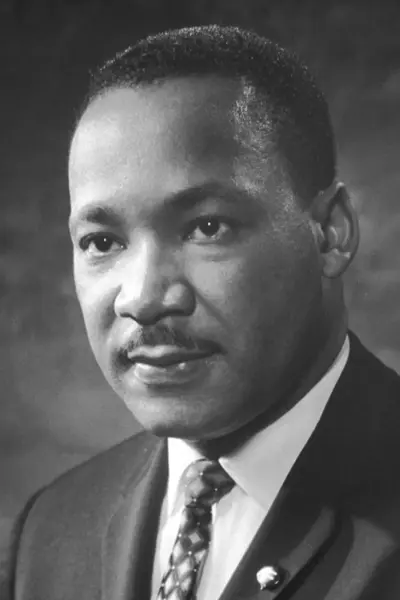
Martin Luther King Jr. was an African American Baptist minister and activist who became the most visible spokesperson and leader in the American civil rights movement from 1955 until his assassination in 1968. King advanced civil rights through nonviolence and civil disobedience, inspired by his Christian beliefs and the nonviolent activism of Mahatma Gandhi. He was the son of early civil rights activist Martin Luther King Sr.
