Harry S. Truman Quotes
The fundamental basis of this nation’s laws was given to Moses on the Mount…If we don’t have a proper fundamental moral background, we will finally end up with a totalitarian government which does not believe in rights for anybody except the State.
Truman, Harry S. "Address to the Attorney General's Conference on Law Enforcement Problems." Public Papers of the Presidents of the United States: Harry S. Truman, 1950, U.S. Government Printing Office, 1965, p. 157.


The Great Firewall of China is the digital control system whereby the Chinese government can block the Chinese public from seeing web sites that are considered dangerous. Generally, these either involve pornography of political viewpoints unacceptable to the government.

The Grammar Curmudgeon. Almost every government action to protect rights impinges on the rights of some. For example, laws to protect minorities from discrimination in the workplace impinge on the right of employers to hire whomever they want. The Voting Rights Act eliminating the Poll Tax instituted to prevent Negroes from voting, impinged on the Southern States’ rights to determine the election rules and standards for their states. Laws requiring all pharmaceuticals to be approved by the Food and Drug Administration to protect the public from dangerous drugs interfere with the doctor’s and patient’s rights to determine the best treatment and the drug company’s right to sell whatever products they want.

American law is more ambiguous on this point.


The Pennsylvania Society for promoting the Abolition of Slavery had submitted a petition to Congress which refused to consider it, this resolution being the reason.


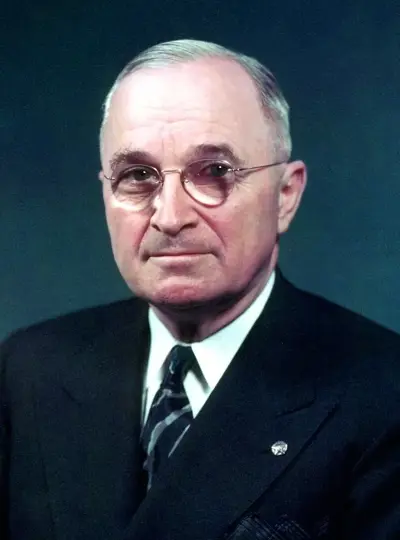
Harry S. Truman was an American politician who served as the 33rd President of the United States (1945–53). He served as a United States Senator from Missouri (1935–45) and briefly as Vice President (1945) before he succeeded to the presidency on April 12, 1945 upon the death of Franklin D. Roosevelt. He was president during the final months of World War II, and approved the plan to drop atomic bombs on Hiroshima and Nagasaki. Truman was elected in his own right in 1948. He presided over an uncertain domestic scene as America sought its path after the war and tensions with the Soviet Union increased, marking the start of the Cold War.
