Calvin Coolidge Quotes
The duties which a police officer owes to the state are of a most exacting nature. No one is compelled to choose the profession ofa police officer, but having chosen it, everyone is obliged to live up to the standard of its requirements. To join in that high enterprise means the surrender of much individual freedom.
Coolidge, Calvin. Have Faith in Massachusetts: A Collection of Speeches and Messages. Houghton Mifflin Company, 1919.

The Treasury Secretary had discovered a massive fraud between some whiskey distillers and some government officials whereby the government was defrauded of millions of dollars of tax revenue. One of the Federal officials Bristow wanted to indict was O. E. Babcock, the President’s personal secretary and advisor. Bristow marshaled the facts and sent a report to Grant who wrote the quoted material in the margin of the report and sent it back to Bristow. Despite Grant’s lack of personal involvement and his immediate willingness to prosecute his close friend and colleague, the stain of scandal spread to Grant and to this day is a part of any discussion of his presidency.


This is one of the major reasons that the relations between police and the communities they are policing is so important. Also, the style and courtesy that the IRS tax collectors exhibit is very important.


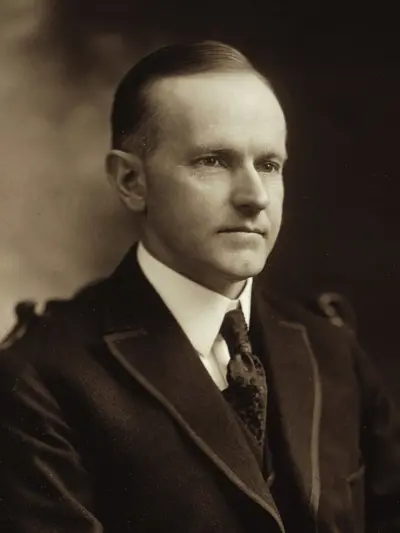
Calvin Coolidge was an American lawyer and politician who served as the 30th president of the United States from 1923 to 1929. A Republican lawyer from New England, born in Vermont, Coolidge worked his way up the ladder of Massachusetts state politics, eventually becoming governor of Massachusetts. His response to the Boston Police Strike of 1919 thrust him into the national spotlight and gave him a reputation as a man of decisive action. The next year, he was elected the 29th vice president of the United States, and he succeeded to the presidency upon the sudden death of Warren G. Harding in 1923. Elected in his own right in 1924, he gained a reputation as a small-government conservative and also as a man who said very little and had a rather dry sense of humor.
