George Bernard Shaw Quotes
Social progress takes effect through the replacement of all institutions by new ones; and since every institution involves the recognition of the duty of conforming to it, progress must involve the repudiation of an established duty at every step.
Shaw, George Bernard. The Quintessence of Ibsenism. Walter Scott, 1891, p. 7.

There had been a major labor strike in the textile mills of Lawrence. Ettor was one of the major strike leaders and strategists. The city authorities sided totally with the mill owners and used police and militia to try and break the strike. When one of the strikers was shot and killed (historians generally agree that the police had fired the shot), the authorities used the death to incapacitate the leadership of Ettor and two other “socialist” leaders who were professional strike organizers and leaders. The 3 were arrested and charged with murder, firing the shot that killed the striker. Ettor and the others were miles away at the time giving speeches to the strikers at another mill. None-the-less, they were arrested, jailed, and not even tried until after the strike was ended. The three were quickly acquitted. The jailing of the strike leaders backfired and made the strikers even more resolute. The laborers finally won the concessions, not to have their pay cut. The defendants went on to lead other strikes.


One of Ferguson’s theses is that historical change often happens very rapidly.


1st Earl of Beaconsfield


In China, the religious activities of the Missionaries never really lead to the many troubles between the missionaries and the Chinese. It was their activities in the non-religious arenas articulated here by Denby.


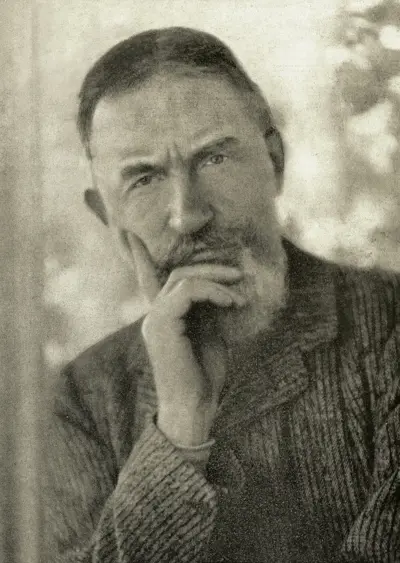
George Bernard Shaw, known at his insistence simply as Bernard Shaw, was an Irish playwright, critic, polemicist and political activist. His influence on Western theatre, culture and politics extended from the 1880s to his death and beyond. He wrote more than sixty plays, including major works such as Man and Superman (1902), Pygmalion (1912) and Saint Joan (1923). With a range incorporating both contemporary satire and historical allegory, Shaw became the leading dramatist of his generation, and in 1925 was awarded the Nobel Prize in Literature.
