William Murray Quotes
Rules of property ought to be generally known, and not to be left upon loose notes, which rather serve to confound principles, than to confirm them.
Murray, William (Lord Mansfield). Hodgson v. Ambrose. 1780. Reports of Cases Argued and Determined in the Court of King's Bench, by Sylvester Douglas, vol. 1, 1813, p. 341.


Manava Dharma Shastra. This legal principle is operative in every one of the United States to this day, the only difference being a longer period of time. This text is a part of the Hindu Holy Texts. Hindus believe that Manu was a prophet whose text is revealed or inspired.


Abolition was an issue from the first Congress onward. By the 1850s there was a major, and in the view of the Southern Slavery enthusiasts, incessant political, journalistic, and intellectual attacks on slavery. The latter two really affected public opinion and opposition to slavery grew in intellectual and educated circles. This document was an example of the literature of the time where the attack on slavery was made by simply explaining the “logic and facts” of the existing laws of the slave states. Once exposed in their entirety, the horror and immorality of the institution was supplemented by the intellectual absurdity and logical fallacies of the pro slavery forces. Note the swipe Goodell takes at Congress. This kind of public criticism made it harder and harder for the Northern Congressmen to “go along” with the South on the slavery issue, and the next decade of increased polarization on slavery culminated in the Civil War. It was not the Southern representatives who changed, but consciousness raising and public opinion changed the Northern perspective and the voting of the Northerners to oppose slavery. Earlier “compromises” became no longer morally or politically acceptable.


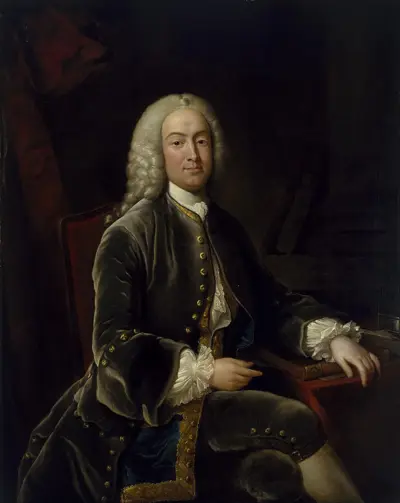
William Murray, 1st Earl of Mansfield, PC, SL was a British barrister, politician and judge noted for his reform of English law. Born to Scottish nobility, he was educated in Perth, Scotland, before moving to London at the age of 13 to take up a place at Westminster School. He was accepted into Christ Church, Oxford, in May 1723, and graduated four years later. Returning to London from Oxford, he was called to the Bar by Lincoln's Inn on 23 November 1730, and quickly gained a reputation as an excellent barrister.
