Joseph Schumpeter Quotes
Recognition of the inevitability of comprehensive bureaucratization does not solve the problems that arise out of it.
Schumpeter, Joseph A. Capitalism, Socialism and Democracy. Harper & Brothers, 1942, p. 206.


Jefferson is the hero of the “small government” enthusiasts of modern times. In his day it was the conservative Federalists who wanted a larger government while the Jeffersonians, the radicals of the day argued for smaller government. Jefferson not only favored smaller government, but he actually cut the size of the Federal workforce something which in modern times no president has done except for William Clinton.


First woman to receive the British Order of Merit. For a man to so criticize the War Office would have been very “cheeky” at the time, but for a woman to do so was unheard of. Her characterization of bureaucracy, in a cabinet level department is as good a description of bureaucracy as any since. See {614056} for her castigation of the chief bureaucrat.


the legal and regulatory system While this is generally true, the same very efficient private organziations sometimes act very efficiently against the interest of the public, or a part of the public in a discriminatory manner. There are other functions which for one reason or another no private organization chooses to take on, and we are left with government doing the best it can. And there are some areas where th cost of private service is just too high, and government assumes it for reasons of affordability. However sometimes there is a major problem created by competitive private organzaitions in such heated competition that the servie is terrible. In early America, Fire Fighting was assumed by private organzations, who would often fight with one another over who would handle the fire while entire neighborhoods burned down. The result was public fire service which is now the norm despite the fact that there might be better ervice in with a private company. America has attemted to balance this problem and tends to have done so better than most countries athough the issue is in contant debate in American politics.


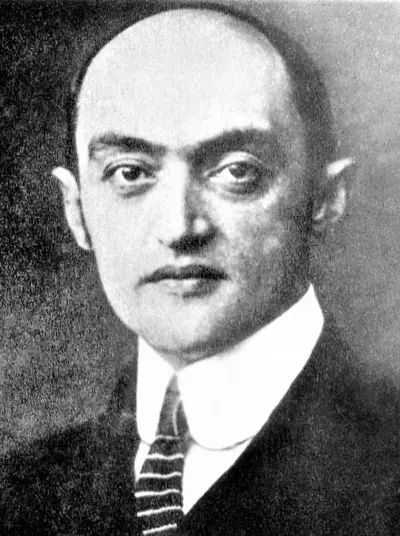
Joseph Aloïs Schumpeter was an Austrian political economist. Born in Moravia, he briefly served as Finance Minister of Austria in 1919. In 1932, he became a professor at Harvard University where he remained until the end of his career, eventually obtaining U.S. citizenship. One of the most influential economists of the 20th century, Schumpeter popularized the term "creative destruction" in economics.
