Desmond Tutu Quotes
Our struggle is going to succeed but not because of numbers. Our struggle is going to succeed because it is a just struggle.
Desmond Tutu, Anglican Archbishop of South Africa, Nobel Peace Laureate, Chairman, South African Truth and Reconciliation Commission, Speech to ANC followers in the midst of the struggle against apartheid
Sourced by: Eigen's Political and Historical Quotations


For a later variation of this idea see Stanislaw Lec {608869}. Ingersoll was considered to be the greatest orator and political thinker of his day, but his overt atheistic views curtailed his elected political career.


Jacques Anatole Francois Thibault


The Senator was referring to the immigration laws which many, including him, thought were unjust, unfair, racist and discriminatory.


Sharansky argued that Democracy had to come to the Arab nations in order to have peace. Buchanan tended to support many who would do Jews harm or had killed many Jews such as Nazi Concentration Camp gueards who were anti-Semitic, but he always claimed not to be anti-Semitic himself.

Tojo objected to his being tried for war crimes by the victor’s moral standards as opposed to one that would be universally agreed to. Many of the Japanese as many of the German war criminals believed that their actions were appropriate and not crimes at all. That is the difficulty when a regime comes to power with its own standards of morality and then wages aggressive war and imposes it upon others.


He is remembered today as the "Hanging Judge" of the American Old West. The two statements of his motto are contradictory unless all trials were perfect and all police, prosecutors, defense lawyers, defendants and witness always told the truth, and never made mistakes. This judge never followed the basic principle laid down by Blackstone regarding criminal law. See {594956}.


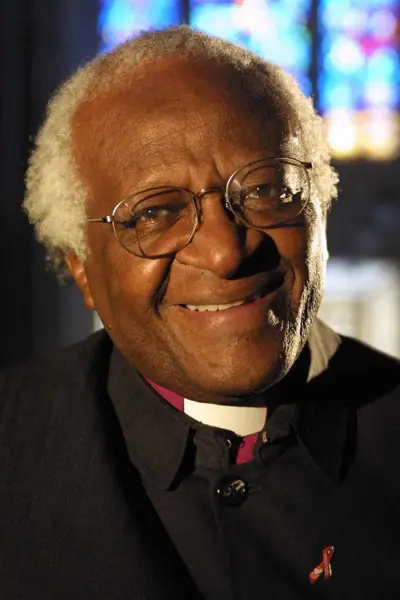
Desmond Mpilo Tutu OMSG CH GCStJ is a South African Anglican cleric and theologian, known for his work as an anti-apartheid and human rights activist. He was the Bishop of Johannesburg from 1985 to 1986 and then the Archbishop of Cape Town from 1986 to 1996, in both cases being the first black African to hold the position. Theologically, he sought to fuse ideas from black theology with African theology.
