Robert G. Ingersoll Quotes
Justice should remove the bandage from her eyes long enough to distinguish between the vicious and the unfortunate.
For a later variation of this idea see Stanislaw Lec {608869}. Ingersoll was considered to be the greatest orator and political thinker of his day, but his overt atheistic views curtailed his elected political career.
Robert Green Ingersoll, 1833-1899, Attorney General of Illinois (Republican), View of Justice
Sourced by: Eigen's Political and Historical Quotations

For an earlier variant see Robert Green Ingersoll: {288250}.


The power structure of England and the English administrators of South Africa were strong advocates of racial equality at the beginning of the 19th century. They insisted on equal administration of law. However the Boer white population could think of nothing more absurd. In a sense the Boers were much like the Southern Whites at the same time. The South African government however could not enforce its equality policies in the rural area – the majority of South Africa at the time. When democracy and self rule came to South Africa, the racially moderating force of the English was minimized and the majority of South Africans wanted a racially segregated society. Apartheid resulted.


The Senator was referring to the immigration laws which many, including him, thought were unjust, unfair, racist and discriminatory.


Tojo objected to his being tried for war crimes by the victor’s moral standards as opposed to one that would be universally agreed to. Many of the Japanese as many of the German war criminals believed that their actions were appropriate and not crimes at all. That is the difficulty when a regime comes to power with its own standards of morality and then wages aggressive war and imposes it upon others.


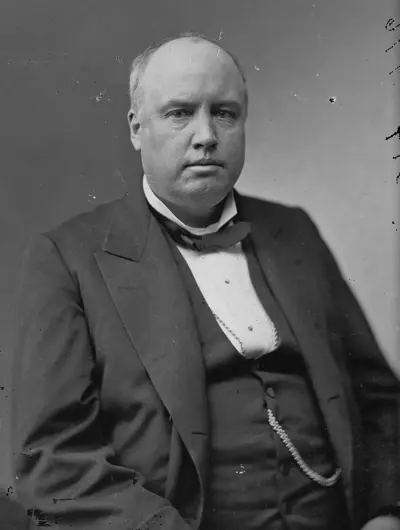
- Born: August 11, 1833
- Died: July 21, 1899
- Nationality: American
- Profession: Politician
Robert Green "Bob" Ingersoll was an American lawyer, a Civil War veteran, political leader, and orator of the United States during the Golden Age of Free Thought, noted for his broad range of culture and his defense of agnosticism. He was nicknamed "The Great Agnostic". Ingersoll was considered to be the greatest orator and political thinker of his day, but his overt atheistic views curtailed his elected political career.
