Plato Quotes
No trace of slavery ought to mix with the studies of the freeborn man. No study, pursued under compulsion, remains rooted in the memory.


This quotation illustrates the level of delusion regarding the importance of slavery that the plantation and slave owners had induced in Southern Society.


Ingersoll was considered to be the greatest orator and political thinker of his day, but his overt atheistic views curtailed his elected political career.

In early New England the General Court served as both a legislature and a judiciary before separation of powers was introduced. 5 years later the Court banned importing African slaves at all. While slavery was not common in Rhode Island, the laws was not seriously enforced on those who would defy them. It does represent a public anti-slavery sentiment that existed in Early America. It would take 200 years for Rhode Island to finally eliminate all forms of slavery.


He was making a generalization based on his historical study of nations and societies.

This is a memorable historical quotations because it shows the extreme level of hypocrisy and lack of logic of which man is capable of when his way of life and world view is threatened. In this case Gordon sees the right to own slaves as a basic civil right. He does not see that the right of possessing slaves totally denies virtually all civil rights to the slave. In his and other Southern views, to assure a man’s liberty he had to have the right and freedom to deny freedom to others, torture others at will, destroy families and remove all hope and aspiration of some people.


Although English, Cobett spent time in America and published a newspaper, The Porcupine Gazette, in Philadelphia. We was very conservative and even proposed legally enslaving the lazy poor. One of the reasons that he spent time in America was that he thought that England had become hopelessy democratic but thought there might be hope for America. Cobbett and his paper represented the extreme right wing fringe of the then Federalist Party. His Porcupine Gazette had a paying readership of 3,200, the largest circulation of any American daily newspaper.


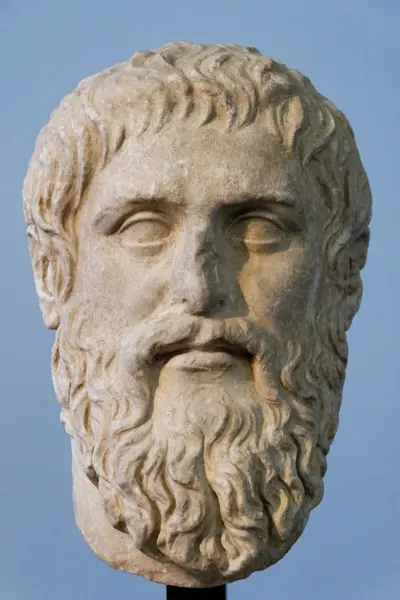
Plato (/ˈpleɪtoʊ/ PLAY-toe; Greek: Πλάτων Plátōn, pronounced [plá.tɔːn] in Classical Attic; 428/427 or 424/423 – 348/347 BC) was an Athenian philosopher during the Classical period in Ancient Greece, founder of the Platonist school of thought and the Academy, the first institution of higher learning in the Western world.
