Edward McKendree Bounds Quotes
Leaders in the realm of religious activity are to be judged by their praying habits and not by their money or social position. Those who must be placed in the forefront of the Church's business must be, first of all, men who know how to pray.
Bounds, Edward M. The Weapon of Prayer. Fleming H. Revell Company, 1931, p. 23.


Philip II, by this statement, and his subsequent behavior, made a major step forward in France for the separation of church and state. Previously, French kings played a major part in the selection of the bishops and other high clerics of the realm. Phillip ceased that type of interference. He did however, close down a religious commune for misbehavior, but that was at the request of both the church and civil authorities. See {617074} . The religious authorities at the time were delighted with this form of separation of church and state, but they were adamant that their church should be able to influence the monarchy and laws of the realm. In contrast today, the Chinese government does not allow any religion to interfere with the operation of the government, but insists that the Dali Lama and the Bishops of the Catholic church can only be appointed with their approval. Separation of church and state is a two way phenomenon.

Clerics of the age were often combinations of fund raisers and tax collectors.

Commenting on the Supreme Court's ban on public school prayer:


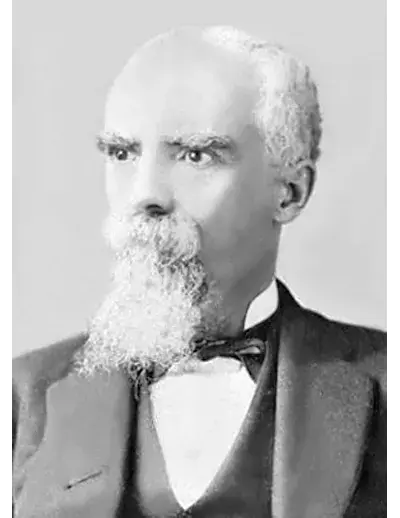
Edward McKendree Bounds prominently known as E.M. Bounds, was an American author, attorney, and member of the Methodist Episcopal Church South clergy. He is known for writing 11 books, nine of which focused on the subject of prayer. Only two of Bounds' books were published before he died. After his death, Rev. Claudius (Claude) Lysias Chilton, Jr., grandson of William Parish Chilton and admirer of Bounds, worked on preserving and preparing Bounds' collection of manuscripts for publication. By 1921, Homer W. Hodge completed additional editorial work.
