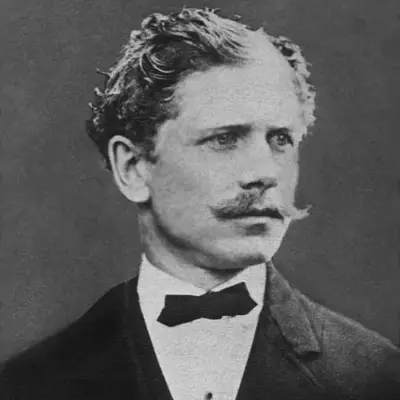
Ambrose Bierce Quotes


K, n. A consonant; originally precisely that of our H, but altered to its present shape to commemorate the destruction of [one of two lofty columns in] the great temple of Jarute.


Citations

Bierce, Ambrose. The Devil's Dictionary. The Neale Publishing Company, 1911.

Related Quotes

Though a breach was made in the wall by means of engines, nevertheless the capture of the place did not immediately follow even then. On the contrary, the defenders killed great numbers [of Romans] who tried to crowd through the opening and they also set fire to some of the buildings nearby, hoping thus to check the further progress of the Romans. Nevertheless, the soldiers, because of their superstition, did not immediately rush in but at last, under compulsion from Titus, they made their way inside. Then the Jews defended themselves much more vigorously than before, as if they had discovered a piece of rare good fortune in being able to fight near the Temple and fall in its defense.” The populace was stationed below in the court and the elders on the steps and the priests in the Sanctuary itself. And though they were but a handful fighting against a far superior force, they were not conquered until part of the Temple was set on fire. Then they met their death willingly, some throwing themselves on the swords of the Romans, some slaying one another, others taking their own lives and still others leaping into the flames. And it seemed to everybody and especially to them that so far from being destruction, it was victory and salvation and happiness to them that they perished along with the Temple. While the holy house (The Temple) was on fire, everything was plundered that came to hand, and ten thousand of those that were caught were slain; nor was there a commiseration of any age…but children and old men…and priests, were all slain in the same manner….The flame was also carried a long way, and made an echo, together with the groans of those who were slain…one would have thought the whole city would have been on fire. Nor can one imagine anything greater and more terrible than this noise.


Describing the conquest and destruction of Jerusalem and the Second Temple in 70 AD.


From earliest times, leaders have justified war using religion as the lever to convince the people to fight and pay the other costs of a war. The leaders may have been motivated by hegemony, land, trade and the like but almost always tried to make the war a moral crusade.


Ambrose Bierce
Ambrose Bierce
  • Born: June 24, 1842
  • Nationality: American
  • Profession: Soldier

Ambrose Gwinnett Bierce was an American short story writer, journalist, poet, and Civil War veteran. His book The Devil's Dictionary was named as one of "The 100 Greatest Masterpieces of American Literature" by the American Revolution Bicentennial Administration. His story "An Occurrence at Owl Creek Bridge" has been described as "one of the most famous and frequently anthologized stories in American literature"; and his book Tales of Soldiers and Civilians (also published as In the Midst of Life) was named by the Grolier Club as one of the 100 most influential American books printed before 1900.