Simon Bolivar Quotes
It was a sane, humane, and politic treaty which put an end to that horrible butchery of slaying the conquered, of giving no quarter to prisoners of war – Spanish barbarism that the patriots were forced to adopt themselves in reprisal, that had pushed back civilization, made the soil of Columbia an abode of cannibals and soaked it with innocent blood until all humanity shuddered, It was an advantage to us, fatal to the Spaniards. Their forces could only diminish; mine, augment and organize.
Simon Bolivar 1783-1830, South American Colonial Liberator, President of Venezuela and Columbia, Characterization of Armistice with the Spanish Commander, Trujillo, November 1820
Sourced by: Eigen's Political and Historical Quotations


The commander complained of the brutal behavior of Bolivar and the revolutionaries, but the atrocities committed by the Spanish forces were even worse and both sides fought with techniques that had no civilized restraints.
Although Bolivar is generally seen as a great idealist and humanitarian, he had his brutal and immoral aspects. This quotation proves that Bolivar ordered the bloody massacre of helpless Spanish prisoners of war including those in the hospital. Also the beheading illustrates the bitterness and barbarity of the wars for independence from Spain. See {632671} for Bolivar’s rationale for massacring helpless prisoners of war.

St. Domingue was the name of Haiti which had had the only successful national slave revolt, but it was incredibly bloody with many casualties.


Abu Ghraib was the prison in Iraq where prisoners were brutalized and treated illegally and immorally. Seymour Hirsh was the Pulitzer Prize-winning investigative journalist who broke the story. Levy contrasted that where the Algerian War was full of such atrocities but French intellectuals and press would not publicize it. It didn’t stop for the whole war.
The Philippine-American War was terribly brutal. In response to insurgent atrocities against American soldiers, some of the Americans also adopted brutal tactics including torture and mutilation. Washington had heard stories of this improper behavior in the part of some American troops and instructed the senior officers to investigate and discipline the men if the reports were true. Unfortunately some of the senior officers covered up the illegal and criminal behavior of some Americans. This quotation was taken from a New York Times report on a representative of the Red Cross who went to the Philippines at the invitation of the insurgents. He generally found serious atrocities by some of the soldiers on both sides but by no means all of the combatants. General Otis, the U. S. Commander tried to keep Blake out, and had him detained away from the battle areas for some weeks where he was “educated” about the enemy atrocities. Finally Blake got to the field and reached the insurgent commander who had invited him. His report generally praised the American troops, but spared no details when there were guilty of atrocities.


This was a precursor of the total war views of William Tecumseh Sherman and Ulysses S. Grant during the American Civil War half a century later.
Japanese military culture of the time was that a soldier who surrendered, even if wounded, was totally dishonorable and therefore could be abused and killed. The American marines then retaliated, and after that, the Americans also took no live prisoners contrary to American military regulations. This incident shows how difficult it is to maintain military professional standards and regulations if the other side does not. Similar situations existed in most American wars, but by the end of the 20th century, the all volunteer military had become much more professionalized and disciplined, and there were relatively few American atrocities despite many provocations.

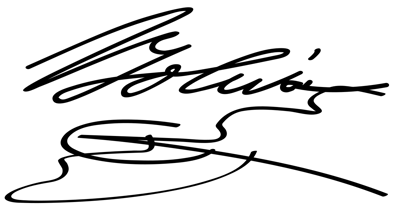
Simón José Antonio de la Santísima Trinidad Bolívar y Ponte Palacios y Blanco (Spanish: [siˈmom boˈliβaɾ] (listen), English: /ˈbɒlɪvər, -vɑːr/ BOL-iv-ər, -ar also US: /ˈboʊlɪvɑːr/ BOH-liv-ar), also colloquially as El Libertador, was a Venezuelan military and political leader who led what are currently the countries of Venezuela, Bolivia, Colombia, Ecuador, Peru, and Panama to independence from the Spanish Empire.
