Pearl S. Buck Quotes
It is ironical that in an age when we have prided ourselves on our progress in the intelligent care and teaching of children we have at the same time put them at the mercy of new and most terrible weapons of destruction.
Buck, Pearl S. The Joy of Children. John Day Company, 1964.


The most important weapons of the time involved gunpowder or other explosives, and the chemist was the most important weapons maker until the middle of the 20th century when a weapons system was first designed that did not use chemical explosives—nuclear weapons. Then the physicists became predominant.

The atomic bomb had just been used the year before. However, in the next decades, nuclear weapons were not used again as those nations with nuclear capability also had potential enemies with nuclear weapons. The fear of Mutually Assured Destruction prevented nuclear weapons from being used for a long time.


Some think that for Europe, Nuclear Weapons performed this function.


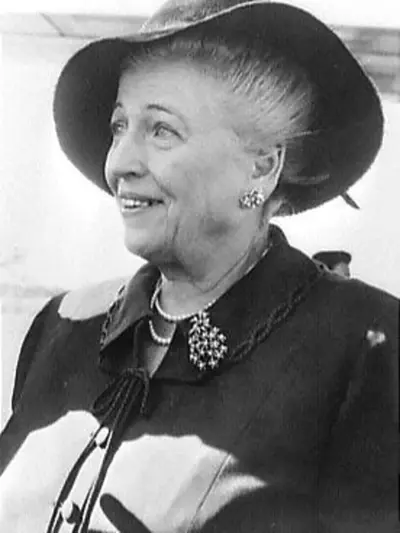
Pearl Sydenstricker Buck also known by her Chinese name Sai Zhenzhu (Chinese: 赛珍珠) was an American writer and novelist. As the daughter of missionaries, Buck spent most of her life before 1934 in Zhenjiang, China. Her novel The Good Earth was the best-selling fiction book in the United States in 1931 and 1932 and won the Pulitzer Prize in 1932. In 1938, she was awarded the Nobel Prize in Literature "for her rich and truly epic descriptions of peasant life in China and for her biographical masterpieces". She was the first American woman to win the Nobel Prize in Literature.
