Wilfred Burchett Quotes
In this first testing ground of the atomic bomb I have seen the most terrible and frightening desolation in four years of war. It makes a blitzed Pacific island seem like an Eden. The damage is far greater than photographs can show.
Burchett, Wilfred. "The Atomic Plague." Daily Express, 5 Sept. 1945, p. 1.


Bethe and other European refugees joined American and British scientists at Los Alamos, NM, for the development of the atomic bomb.


During the meltdown of the Japanerse nuclear reactors at Fukashima, American sailors were deployed to provide critical assistance fram an American aircraft carrier in the area. They played a significant role in getting the reactors under control. Many of the Japanese at the emergency area had suffered serious illness from the radiation exposure abd a number died. The crew of the aircraft carrier had developed a highly unusual prevelance of serious illness assocated with radiation exposure. The U. S. Defense Department was "styding the matter" but had not decided that the unusual illness patern was related to their assignment assisting in th emergency. A number of the sailors had come to japan and asked for damages from the Raactor company which like most American Corporations would not do or say anything. The Japanese government also was silent on the issue when the sailors came to Japan, However, this former prime minister felt so strongly that he visited the Sailors and took up their cause in letting the Japanese public know what had happened and how the government and the electic company were acting. This was Koizumi's tearful response to the press covering the saolors and their request.


The only soldier ever so honored
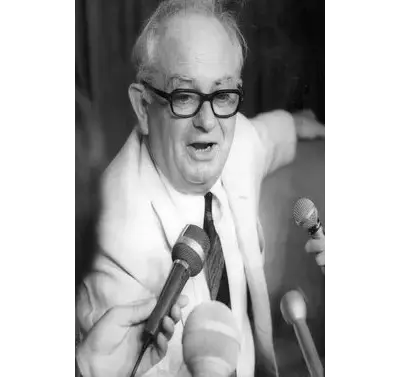
Wilfred Graham Burchett was an Australian journalist known for being the first western journalist to report from Hiroshima after the dropping of the atomic bomb, and for his reporting from "the other side" during the wars in Korea and Vietnam.
