James Heckman Quotes
I remember that, one day, I was visiting one training center in the 1990s that was teaching people how to fix Volkswagen engines from the 1960s, which were no longer sold. So you were training people on a skill that had zero value. The reason is that they hadn't received any new equipment in 20 years.
Heckman, James J. Interview by Douglas Clement. The Region, Federal Reserve Bank of Minneapolis, 1 June 2005.


George W. Bush and his White House Staff were of a generation that only thiought of a personal computer as a Word Processing and e-mailing machine. In the 8 years of the Bush Presidency, there were dramatic and dynamic breagthouhs on PCs and digital technology. But they percieved no need for anything more, The younger, much more technoplogically savy Obama and his staff were shocked that the headquarters of the most important leader in the world was so far behind the times in their digital capability, The White House Website that was being used was that developed in teh first Clinton Administration which then was the state of the art. But more than 15 years later, it was ancient and decrepid. The Obama Team leaped into the future with a very sophisticated new website whcih was the backbone of Obama's highly sophisticated digital communications strategy.


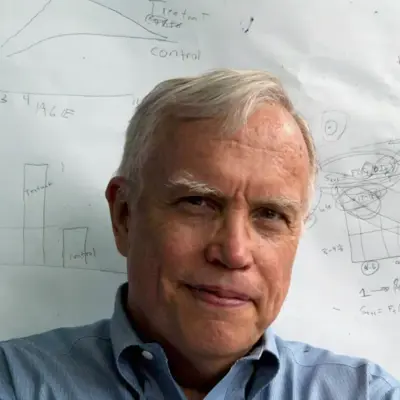
James Joseph Heckman (born 1944) is a Nobel Prize winning American economist who is currently at the University of Chicago, where he is The Henry Schultz Distinguished Service Professor in Economics and the College; Professor at the Harris Graduate School of Public Policy Studies; Director of the Center for the Economics of Human Development (CEHD); and Co-Director of Human Capital and Economic Opportunity (HCEO) Global Working Group. He is also Professor of Law at the Law School, a senior research fellow at the American Bar Foundation, and a research associate at the National Bureau of Economic Research. In 2000, Heckman shared the Nobel Memorial Prize in Economic Sciences with Daniel McFadden, for his pioneering work in econometrics and microeconomics. As of December 2020, according to RePEc, he is the second most influential economist in the world.
