Harold E. Hughes Quotes
I regret I feel this passion, but they [alcoholics & drug addicts] have been relegated to dying in the street forever, and I want to get them out. I need your help to do it. I am angry, it is obvious. I am angry that the Department says they have everything they need, when everything in the country indicates it isn't being done. So, I will continue to be angry. I hope it will be a friendly anger as we try to work out these problems that we have between us.
Nixon said he wanted to treat addicts but would not allocate the funds to do it. Hughes argued for years for more resources, and most of the NIH effort towards addiction are the result of Hughes’ efforts.
Harold E. Hughes, 1922-1996, U. S. Senator (Democrat, IA), Governor of Iowa, Statement to key DHHS officials of the Nixon administration
Sourced by: Eigen's Political and Historical Quotations


Cixi had issued a 10 point edict designed to end opium use in China. One of its most interesting elements was that it only applied to Chinese under the age of 60. She recognized that for those elderly people who are thoroughly addicted to opium, prohibition would be to radical a change and their life expectancy was not very long. At the time, the average lifespan of Chinese was under 50.


Marijuana was and still is a health and social problem in that people who tend to use it---especially young people---tend not to focus on their friendships, their work and study obligations, their own development and welfare. However it is nowhere near the degree of deleterious problems of alcohol and other drugs like heroin, cocaine, and methamphetamine. There is no record of anyone dying from an over dose or marijuana while alcohol and other drugs kill hundreds if not thousands a year. But none of those health emergencies compare with the flu which each year kills over 20,000 Americans who do not get inoculations or highway crashes which kill about 50,000. Yet Nixon did not characterize these as “national emergencies.”
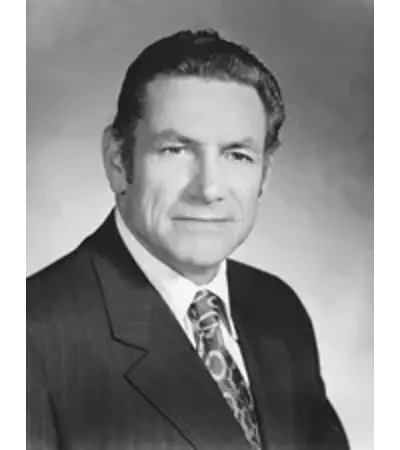
Harold Everett Hughes was the 36th Governor of Iowa from 1963 until 1969, and a United States senator from Iowa from 1969 until 1975. He began his political career as a Republican but changed his affiliation to the Democratic Party in 1962.
