J. J. Cale Quotes
Everybody lives in a city, cause there's not too many people in the small towns who can find work.
To Tulsa and Back: On Tour with J.J. Cale. Directed by Jörg Bundschuh, Time Art, 2005.


Howard was one of the first people to recognize the migration from the country to the cities brought about by the Industrial Revolution and then suggest solutions. He advocated planned suburban communities that had some elements of the country, but allowed a density of people to function in an industrial economy. He called them “Garden Cities”. Forest Hills in New York and other American planned communities were much influenced by his thinking as were many other new communities since.


Urbanization has often alarmed the power structure. Given the harsher form of urban poverty compared with rural poverty, it was hard for politicians to understand the draw of the cities. They did not then understand the value and importance of greater opportunity, greater privacy and anonymity, more choice and more de facto freedom. Bannerman and many others would have been totally surprised that in the second decade of the 21st century, more than half the people in the entire world were living in cities and suburbs.


“those lands” referred to large tracts of public land that was unoccupied.

Western populists were terribly suspicious of the cities. Note that the migration to cities was noticeable enough to be considered a problem. Better roads and the railroads made relocation easier.
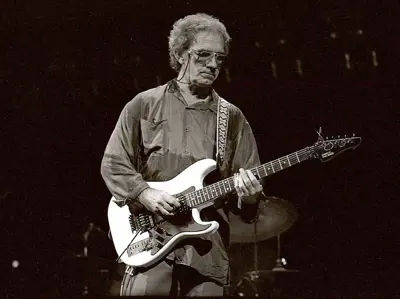
John Weldon "J. J." Cale was an American guitarist, singer, and songwriter. Though he avoided the limelight, his influence as a musical artist has been widely acknowledged by figures such as Mark Knopfler, Neil Young and Eric Clapton, who described him as "one of the most important artists in the history of rock". He is considered to be one of the originators of the Tulsa Sound, a loose genre drawing on blues, rockabilly, country, and jazz.
