Randy Newman Quotes
Asia's crowded and Europe's too old, Africa is far too hot and Canada's too cold. And South America stole our name, let's drop the big one.
Newman, Randy. "Political Science." Sail Away, Reprise Records, 1972.


At the time most people did not realize that the ability of a nation or land area to support a population was dependent more on agricultural and industrial productivity than on population size. In the most affluent and developed countries, land outside of the cities is quite affordable and available, whereas in poor, underdeveloped nations, land distribution and reform is still a factor. The majority of citizens of many developed, affluent nations do not own any land.

This quotation is an excellent example of the attitude of many upper class Englishmen towards the United States in the early part of the 19th century. With the notable exception of Ben Franklin, American Science was undeveloped, and the arts were equally unrefined. However, in assessing the United States, nothing was more derogatory than American Slavery which was totally primitive and barbaric by sophisticated European standards. What is amazing about this quotation was its truth and accuracy which shows us the amazing American development that the United States underwent in the next hundred years when it would be equal to any nation on earth. The American freedom, the abolition of slavery and the brilliance of welcoming immigrants from the world to help develop the free nation produced the greatest country on Earth.


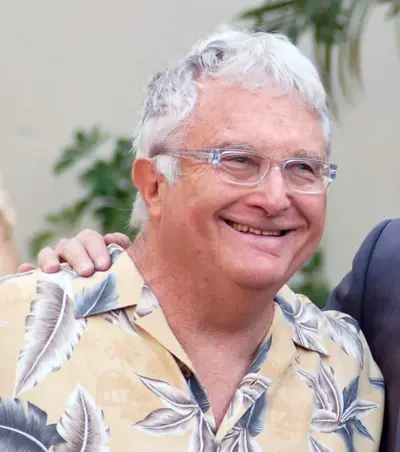
Randall Stuart Newman is an American singer-songwriter, arranger, and pianist known for his Southern-accented singing style, early Americana-influenced songs (often with mordant or satirical lyrics), and various film scores. His best-known songs as a recording artist are "Short People" (1977), "I Love L.A." (1983), and "You've Got a Friend in Me" (1995), while other artists have enjoyed more success with cover versions of his "Mama Told Me Not to Come" (1966), "I Think It's Going to Rain Today" (1968) and "You Can Leave Your Hat On" (1972).
