Charlie Rose Quotes
Americans seem to spend more effort in researching the television sets that they buy than in studying their health care alternatives.
Charlie Rose, Television Interview, PBS The Charlie Rose Show, December 4, 2013
Sourced by: Eigen's Political and Historical Quotations

At the time in America, the insurance companies only paid out less than 80 percent of all the money they took in for health insurance. More than 20 percent went into their high overhead and profits. In contrast, to the 20 percent or more that it costs with insurance companies to administer health insurance payments, the agency that performs the same function for Medicare doe so with only a 6 percent cost Sanders argued that by getting rid of the insurance companies, the nation could save about 14 percent of the entire insured medical bills for the nation—many billions of dollars which would reduce average health insurance premiums by 14 percent. Opponents argue that the would be a socialist system and give too much potential control of individual health matters to a government operated or government controlled organizations. Politicians, in order to look good with the voters, would lower premiums and also pay out less either shortchanging doctors and hospitals or rating medial care somehow.


This quotation is interesting for two reasons: First, President Donald Trump had campagned on teh promise of Universal Health Insurance and in the early days of the Tramp Administration, Trump's Manager of the Office of Management and Budget effectivly repudiated Trum's campaign promise. Second, it ilustrates the narrownss to the thinking of soem of the very conservative politicians of the era. Virtually every industiral democracy in the world had universial health or health insurance coverage. Mulvaney's thinking was limited to teh classic U. S. model of health insurance premiums being paid by individuals and companies to privat insurance companies. Yet most other countries had teh government coelect the money and pay the health providers (the single payer system) of simply funded universal ehalth care through the general tax revenues, and had no specific act of buying a policy so there was no way for people to refuse.
There were many countries whose laws proclaimed that health care was a right but could not deliver the health care to many of its citizens. However, every developed country except the United States considered health care a right and delivered health care to its people. The large majority of U. S. citizens received good health care but not as a right.


The economic law of supply and demand does not really operate in most of the health care system as most people cannot place an economic value on their life and/or health. If we need an appendectomy to prevent death from infection, we do not consider doing the operation for $5,000 but say that if the price were $25,000 we would prefer to die. We will pay whatever we have to. Existential issues do not lend themselves to economics.


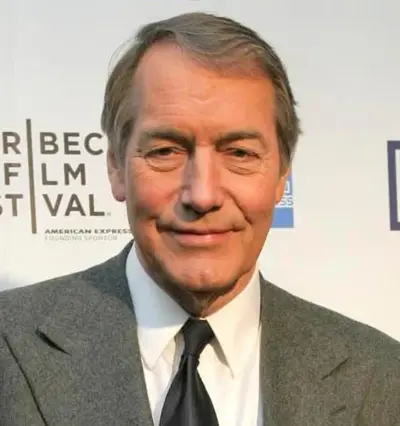
Charles Peete Rose Jr. is an American retired television journalist and talk show host. From 1991 to 2017, he was the host and executive producer of the talk show Charlie Rose on PBS and Bloomberg LP.
