James Kent Quotes
Ambassadors form an exception to the general case of foreigners resident in the country, and they are exempted absolutely from all allegiance, and from all responsibility to the laws of the country to which they are deputed …. A foreign minister and those strictly belonging to the embassy are in general exempt from the criminal jurisdiction of the country to which they go
The highest court in New York.
James Kent, 1763-1847, Chief Justice of the New York State Court of Appeals Chancellor of New York State, Lectures in Law, Of The Rights And Duties Of Nations In A State Of Peace
Sourced by: Eigen's Political and Historical Quotations


Terrorists in Iraq had murdered the Egyptian Ambassador a few weeks before. Although not generally known, being a diplomat in a foreign country has substantial risk.

Manava Dharma Shastra. This text is a part of the Hindu Holy Texts. Hindus believe that Mahu was a prophet whose text is revealed or inspired.


The ambassador had received a public hearing under the assumption that the meeting would be perfunctory. Instead he used the occasion to protest the Queen's quarrels with the Spanish as it was affecting Polish merchants. Such a public complaint to a sovereign was a breach of diplomatic etiquette at the time.


In 1904 the Archduchess of Austria was visiting the Adriatic port of Fiume where hundreds of immigrants to America were waiting to board the ship. The nobility of the time found amusement in the poor immigrants boarding with their meager possessions and poor clothes. The Archduchess wanted the people to board 3 days early so she could watch the spectacle before she left. They would then have to stay in the steerage of the ship for 3 extra days. The American consul refused to issue the necessary papers until just before the sailing:


Samuel Langhorne Clemens, 1835-1910. At the time, America only paid $17, 500 a year to its ambassadors who had numerous expenses they had to bear personally. The practice was to only appoint very wealthy people as ambassadors but an average, very qualified person, could not afford to take the job. There was no shortage of rich people and many of them would “pay” with various bribes and campaign contributions. Even in the 21st century, the American ambassadors to the most prestigious nations had to donate large sums to the President’s campaign in order to be considered for the appointment. Twain lobbied for a salary of $75,000 per year. There was no change made then.

There have been times in democracies where a foreign ministry (State Department) is isolated from the elected politicians and implements a foreign policy that is at odds with the wishes of the elected officials and the majority of the nation. A good American example of this was in 1948 where America had to decide whether to support the creation of the State of Israel in the United Nations and through diplomatic recognition. The professional diplomats in the State Department had developed very close relations with Arab States, and many State Department employees were anti-Semitic. In addition, they thought the most important thing for America was not to risk the Arab oil supply. Meanwhile, the people, Congress, and President Truman were on the other side and Truman had to finally order The Secretary of State to stop his professional diplomats from pursuing their own foreign policy preferences. Even then some did not.

“Dey” and “bey” were Arabic terms for the local ruler of an area.

Meiji the Great. This was a momentous event in Japanese history. This was the first time that the Japanese Emperor had appointed diplomats to conduct foreign affairs. Prior to that, Japan was so isolationist that at times Japanese who had any contact with Westerners would be executed. Then the Emperor had a reception for foreign diplomats. Never before in the history of the Empire had its divine head deigned to admit to his presence the despised foreigner. The Emperor was only in his second year of rule at the time.


She was the first person in this newly created post.
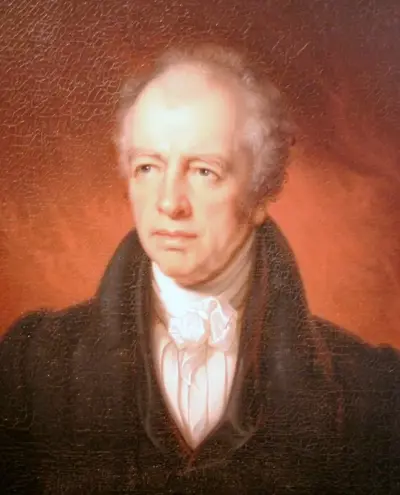
James Kent was an American jurist and legal scholar. He was the author of Commentaries on American Law.
