Fiona Shaw Quotes
Also, an area that interests me - and it will probably take years to state what I mean - is the period of the rise of democracy, with Tom Paine, which is around the turn of the 18th century into the 19th.


This was not exactly a complement. Adams was outraged by Paine’s overt and public atheism and anti religious statements. (See {623040}.) Others of the founding fathers were also atheists but Paine wrote publicly and actively tried to persuade people of his religious position. Adams was particularly concerned because Paine was not just one of the great leaders of the American Revolution. His was the most recognized name, and a huge percentage of the American population had read his Common Sense. He was the person who was most persuasive with the mass of Americans to revolt—more so than Jefferson, Washington, Madison, Franklin or any of the other great men of the time. Because Paine was so influential, Adams thought that he should be more passive in shaking the religious faith of so many others. Actually, it was Paine’s overt atheism that has tended to diminish his influence and status given by historians throughout the ages. It also caused him some difficulty in America after the Revolution and moreso in England.


Franklin himself was a great writer and publisher. However Paine was so extraordinarily great as a writer that he not only expressed the basic ideas of the Founding Fathers and the ideals of the American Revolution better than anyone else, but his “Common Sense” was not only an intellectual, critical, political, and propaganda success, but it was the best selling publication in America. Imagine a political tract of today outselling all the novels, dictionaries and Bibles. Arguably, “Common Sense” was the greatest commercial publication in American history. No single, specific publication since has reached a greater proportion of citizens of the nation. And it was sold commercially, not given away.
Character Franklin invented early in his career


The Red Scare had already reached most conservatives and Truman and most others had not yet been affected by the fear of Communism that so many people had through the 1970s.


It was a quasi constitution in limited areas and declared the representatives of the people coordinate with the governor and council, and that no taxes could be laid without their consent—a degree of freedom and self-determinism what was far greater than those of the other colonies save Pennsylvania. Several years earlier, the English portion of the colony clamored for representative government and was ready to break into open rebellion against Governor Edmund Andros and the authority of the Duke of York. The Duke promised an elected assembly and 18 elected New Yorkers constituted the first representative assembly. Their first act was to pass the Charter of Liberties which was approved by the Duke’s new Governor Thomas Dongan. So the Charter of Liberties was the first set of laws in America passed by a vote of elected representatives of the people.
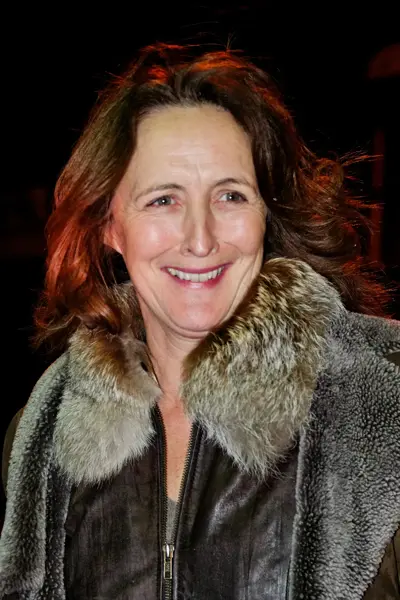
Fiona Shaw CBE is an Irish actress and theatre and opera director. She is known for her roles as Petunia Dursley in the Harry Potter film series (2001–2010), Marnie Stonebrook in the fourth season of the HBO series True Blood (2011), and Carolyn Martens in the BBC series Killing Eve (2018–present).
