Emir Kusturica Quotes
You know, in each segment of ex-Yugoslavia, multi-ethnic life is lost, except I think we somehow still have this in Serbia.
Kusturica, Emir. Quoted in "Emir Kusturica - Biography." IMDb, IMDb.com, www.imdb.com.


Whenever different ethnicities perceive that they are in a “zero sum game” situation where one group cannot benefit without detriment to others, the situation is always unstable and usually explodes as when Yugoslavia broke apart at the end of the 20th century after being held together by a strong leader, Tito. Note that there was a different spelling of Yugoslavia in the 1920s. The pronunciation was the same.
He was a brutal, sadistic war criminal who was assassinated by one of his many enemies in 2000 before he could be brought to trial. This statement was typical of his outlook and behavior. He tortured and murdered Croation and Muslim prisoners. His reference to the “slaughterhouse” was to the Second World War in which the Croats were allies of Nazi Germany and created their own concentration and extermination camps where hundreds of thousands of Serbs were murdered. In the eternal memory of the cycle of revenge in the Balkans, Arkan, tried to retaliate against the Croats who had never been called to account for their crimes and even the leadership of Croatia after the Camp David accords celebrated the Fascist times when they were dominant and were able to settle accounts with the Serbs.


At its largest, the Ottoman Turkish Empire included all of the Middle East, most of North Africa, much of Russia, and Europe right up to the walls of Vienna.


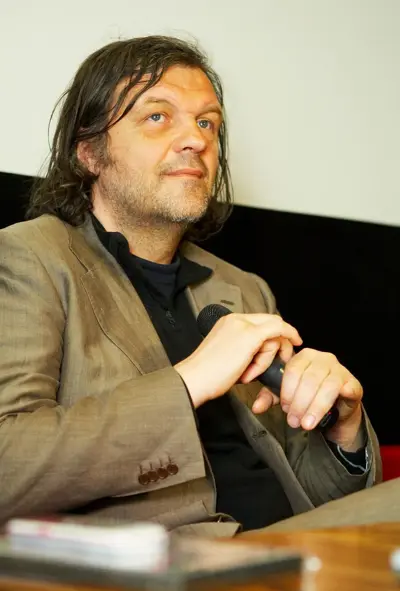
Emir Kusturica is a Serbian filmmaker, actor and musician. He also has French citizenship. He has been recognized for several internationally acclaimed feature films, as well as his projects in town-building. He has competed at the Cannes Film Festival on five occasions and won the Palme d'Or twice (for When Father Was Away on Business and Underground), as well as the Best Director prize for Time of the Gypsies.
