Nigel Lawson Quotes
You do not need to be within the single market to be able to export to the European Union, as we see from the wide range of goods on our shelves every day.
Lawson, Nigel. "We must leave the EU to save our democracy." The Telegraph, 15 Jun. 2016.


The American colonists were not allowed to sell their tobacco or other products to foreign nations. They could only sell them to English merchants who in turn would sell them to foreign markets. Thus, the large profits on American tobacco were made by English merchants and not by American farmers or merchants.


Harris opened up trade with Japan for the United States. The problem at the time had nothing to do with the potential economic effects of trade on domestic industry or balance of payments, but for the Japanese was strictly a cultural problem. They were in great fear of what today some call “cultural imperialism”--the adoption of a foreign culture. The Japanese had been so fearful of cultural influence of foreigners that when some Japanese fishermen’s boat had been sunk and they had been rescued by foreign seamen and returned to Japan, they were executed as they had been “contaminated” and could “contaminate” the rest of the population.


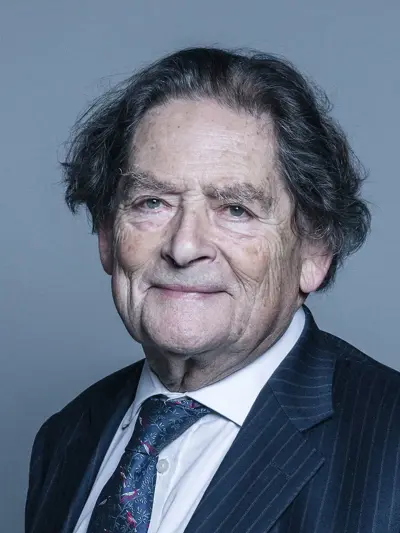
Nigel Lawson, Baron Lawson of Blaby, PC is a British Conservative politician and journalist. He was a Member of Parliament representing the constituency of Blaby from 1974 to 1992, and served in the cabinet of Margaret Thatcher from 1981 to 1989. Prior to entering the Cabinet, he served as the Financial Secretary to the Treasury from May 1979 until his promotion to Secretary of State for Energy. He was appointed as Chancellor of the Exchequer in June 1983, and served until his resignation in October 1989. In both Cabinet posts, Lawson was a key proponent of Thatcher's policies of privatisation of several key industries. Lawson oversaw the sudden deregulation of financial markets in 1986, commonly referred to as the 'Big Bang', which decisively strengthened London's place as a financial capital.
