James Fenimore Cooper Quotes
Whenever the government of the United States shall break up, it will probably be in consequence of a false direction having been given to public opinion.
James Fenimore Cooper, 1789-1851, Writer, The American Democrat and Other Political Writings
Sourced by: Eigen's Political and Historical Quotations


Sowell’s definition of “degeneracy” seems to be departing from his ideal version of proper views and action.


In the Watergate crisis H. R. Haldeman had asked for a Presidential pardon. A discussion of the request was held by some White House staff members:


Many people think that the French Revolution was spontaneous. Some events at the beginning were, but de Gouges and other political observers cold see that disaster was looming.

This was a new political phenomenon where a President was perceived as more important, more powerful, and preferable to his party. Note that the base of the scale is labeled “Public Opinion”.


Early in the Donald Trump Presidency, some of his first decisions, including his Anti-Muslim ban on immigration and vistitation from 7 Islamic nations, were very distrubing to amy politicians experienced in national security and defense. 100 leaders from past adminsitrations, Democratic and Republicans, signed a petition warning that the travek ban endangered our national security. Then 1000 U. S. State Department Diplomats signed a letter advising the President to recind the order for similar reasons. Malinowski was asked if this kind of opposition to a new presidents actions was unusual. This quotation was his reply. Not the use of sarcasim. He states what happened in very stark terms and then says that it is not unusual and there is notjing to worry about, when it was withotu precedent ever and very worrisome to him and others. Quotations using sarcasim are very problimatical becasue just a literal reading, would lead us to believe he was not concened with sich a common occurance.

In the 2016 Presidential Elections, there were a few close states. However, in most states one of the candidates won by a signficiant margin proucung some states that supported Trump and some who opposed Trump--hence "Divided States of America".


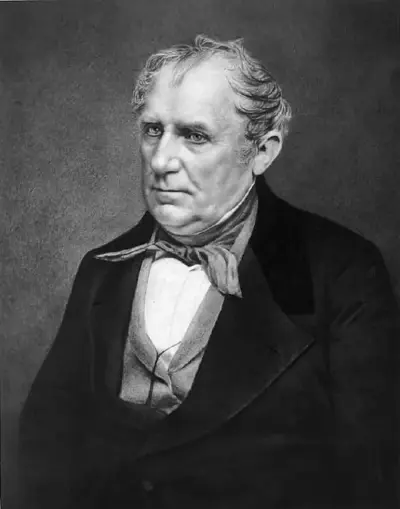
James Fenimore Cooper was an American writer of the first half of the 19th century. His historical romances depicting frontier and Native American life from the 17th to the 19th centuries created a unique form of American literature. He lived much of his boyhood and the last fifteen years of life in Cooperstown, New York, which was founded by his father William Cooper on property that he owned. Cooper became a member of the Episcopal Church shortly before his death and contributed generously to it. He attended Yale University for three years, where he was a member of the Linonian Society.
